



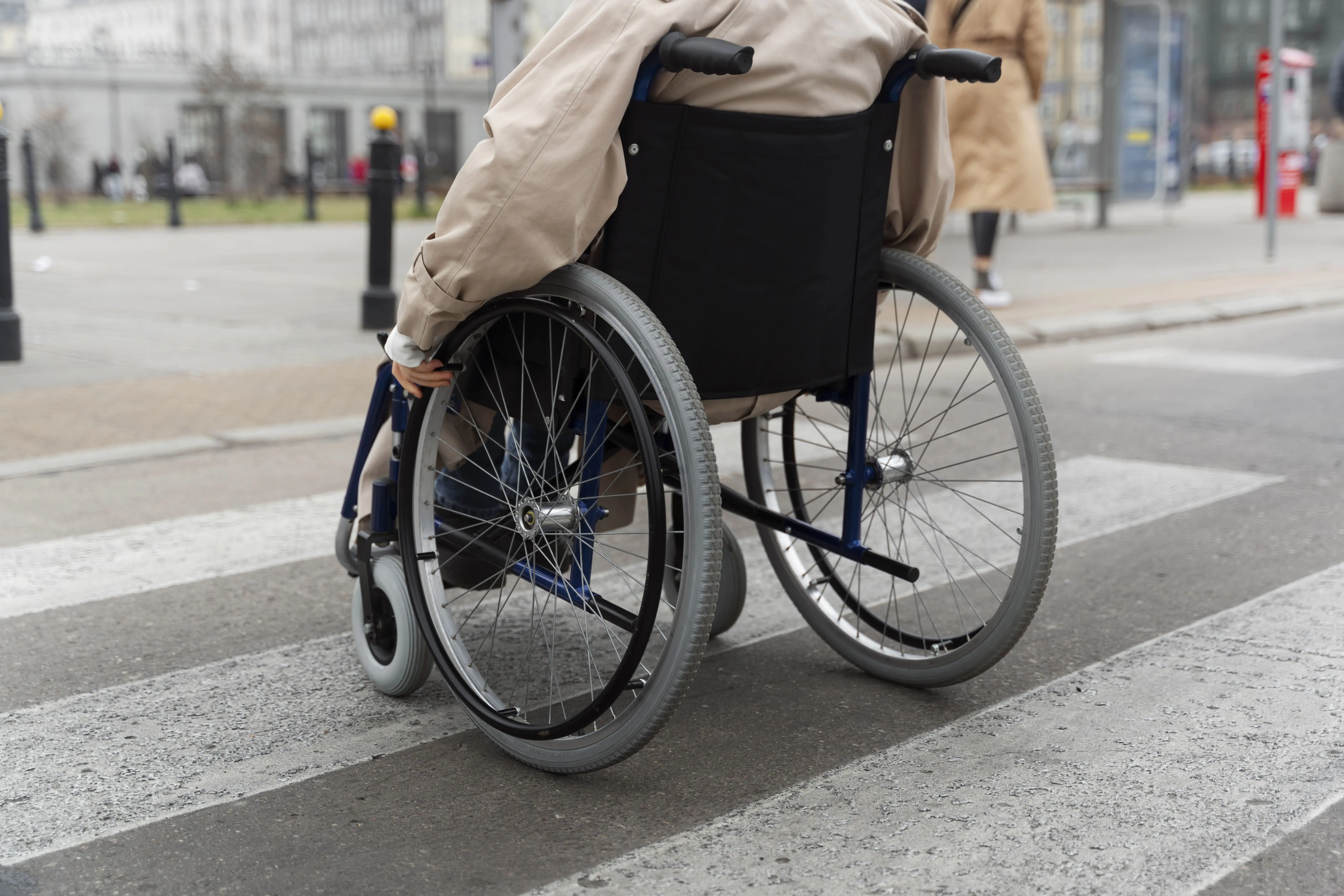
Exploring Paris in a wheelchair can feel daunting at first—but with the right tips, it can be a breeze! From buses and trams to taxis and sidewalks, I’ll guide you through what to expect and how to navigate the city comfortably. With a bit of planning and the right tools, getting around Paris can be smooth, safe, and even fun.
Getting Around Paris in a Wheelchair: What You Need to Know
This merged section would blend the context and the how-to, organized by transport type. Each subsection can briefly describe:
- What to expect in terms of accessibility (Mention that while Paris is known for its beauty, its transport system and accessibility have both advantages and challenges.)
- Specific challenges or limitations
- Practical tips and tools to help
The Paris Metro & RER Trains
The Metro is iconic but largely inaccessible — only a few stations (like Line 14 and some on Line 1) have elevators, and even then they’re quite often out of order.
- RER trains (especially lines A and B) are more accessible, especially for airport connections but you have to reserve assistance in advance, and again, elevators are often out of service
- Tips:
- Avoid peak hours — stations can be crowded.
- Look for staffed stations if you might need assistance.
My insight: Avoid taking the subway altogether as much as you can.

Buses
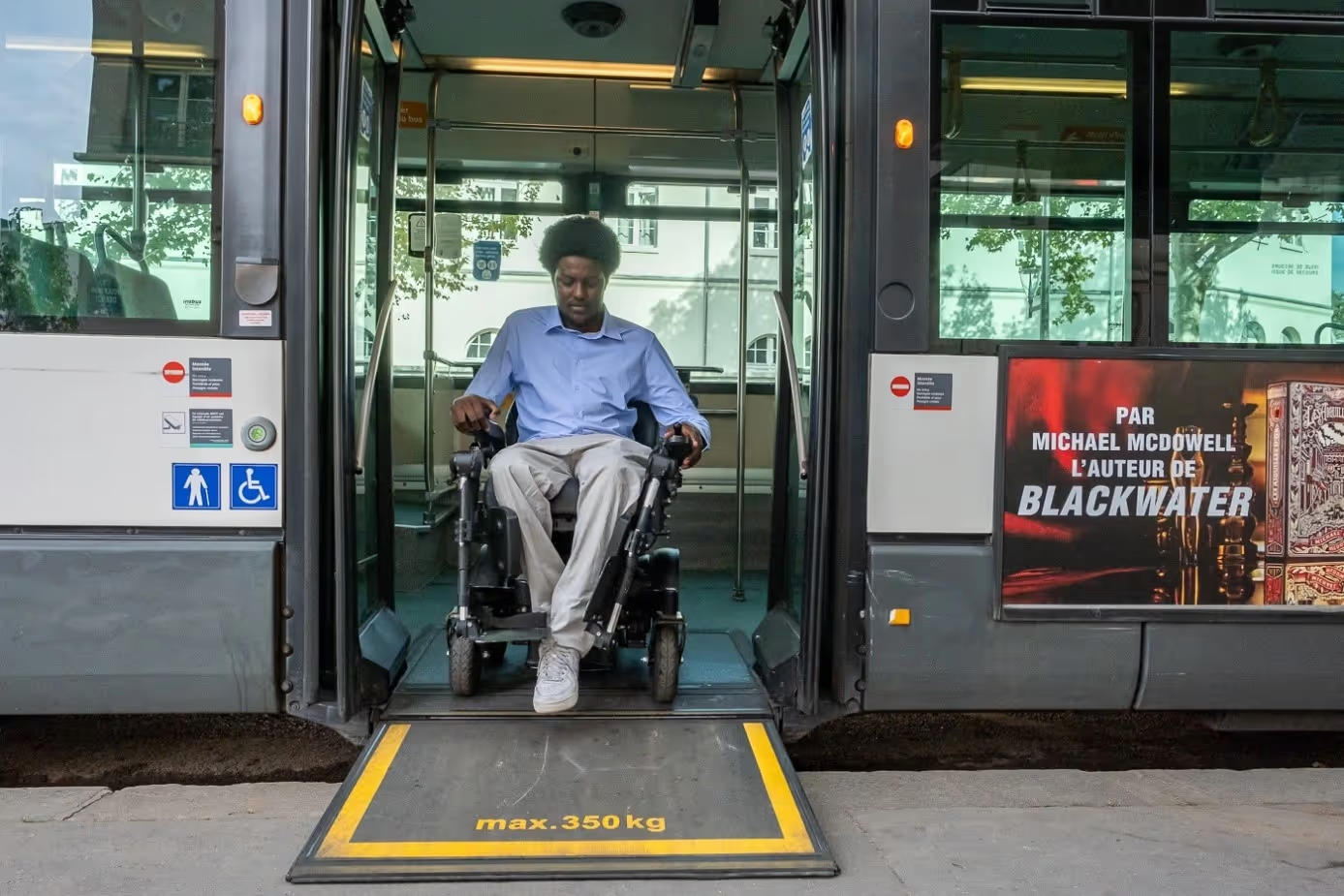
Paris buses are much more accessible than the metro: Most Paris buses are low-floor and equipped with ramps.
How to get on & off:
- To get on : wave to the driver, they’ll deploy the built-in ramp. The designated wheelchair space is in the middle of the bus so you get in by the middle doors, where the bus driver will deploy the ramp.
- To get off : Signal the driver early, or press the wheelchair button (as on the picture bellow) the driver will deploy the ramp.
My local insight:
- During busy times, be prepared to wait for the next bus if space is full.
- Even though Paris’ buses are accessible some stops aren’t: because for example, on some stops the curb isn’t at the right height, as we told earlier, Paris is an old city that still has a long way to go to be 100% accessible.
Download the App!
To know which stops are accessible and which aren’t, you can download the Bonjour RATP app. On there you can :
- look up the bus line map beforehand : the non wheelchair accessible stops are indicated by this logo on the maps
- search an accessible itinerary when you’re on the go
Search by bus line
You can also search which stops of a specific bus line are accessible for wheelchair users by selecting the “Map” tab at the bottom of the screen and then select the bus line you’re looking for - they’re in numerical order. The inaccessible stops are indicated by *the inaccesible logo.
Search by itinerary
You can directly search an accessible itinerary by selecting the filters in the search bar on the up right of the screen, and then “accessible itineraries” and “Validate”.
(3).avif)
Taxis and Ride-Sharing
Uber Access or G7 Access: Uber and Taxi G7 — a taxi company that has an app that works like Uber — are a very good option. Depending on the hour of the day, you could get one in about 10min (maybe more if it’s a more busy time).
My local tip: Book in advance, especially in the evening or on weekends.
Want to know everything about getting an Uber or Taxi in Paris? Check our article here!
Trams
There are some tram lines that are entirely wheelchair accessible with level boarding an wide doors but they are located more in the outskirt of Paris so you’ll probably wont get to use it during your stay.
Sidewalks and Streets
Paris is an old city, so many sidewalks are narrow, uneven, or paved with cobblestones. On top of that, street signs, café tables, and parked scooters can sometimes get in the way.
(4).avif)
It’s the same to cross the street : many crossings have curb cuts and tactile paving, but some older streets don’t — or are blocked by poles, trash bins, or scooters.
- Some Hilly areas like Montmartre are very sturdy and it can get very difficult to go up on your arms’ strength alone.
- My Tip: Stick to major boulevards and recently renovated areas, or get an accessible taxi for harder-to-reach spots to access like the Sacré Coeur.
Useful Apps to get around more easily
Lastly, here’s a few apps that can be very useful and make your trip easier.
- RATP App: as we mentioned earlier, this is the official Paris transport app, with elevator outage alerts and route planners.
- Citymapper: plan public transit with real-time updates and accessibility filters.
- Wheelmap.org: crowd-sourced map of accessible places and transport.
With a little planning, getting around Paris can be fun and easy!
Getting around Paris in a wheelchair has its challenges, but with some planning and the right tools, it can be smooth and enjoyable. Use accessible buses, helpful apps, and taxis when needed, stick to main streets, and don’t hesitate to ask for assistance. With these tips, you can focus on exploring and enjoying all that Paris has to offer!
.png)



-100.avif)





.avif)
.svg)
.svg)
.svg)
.svg)