


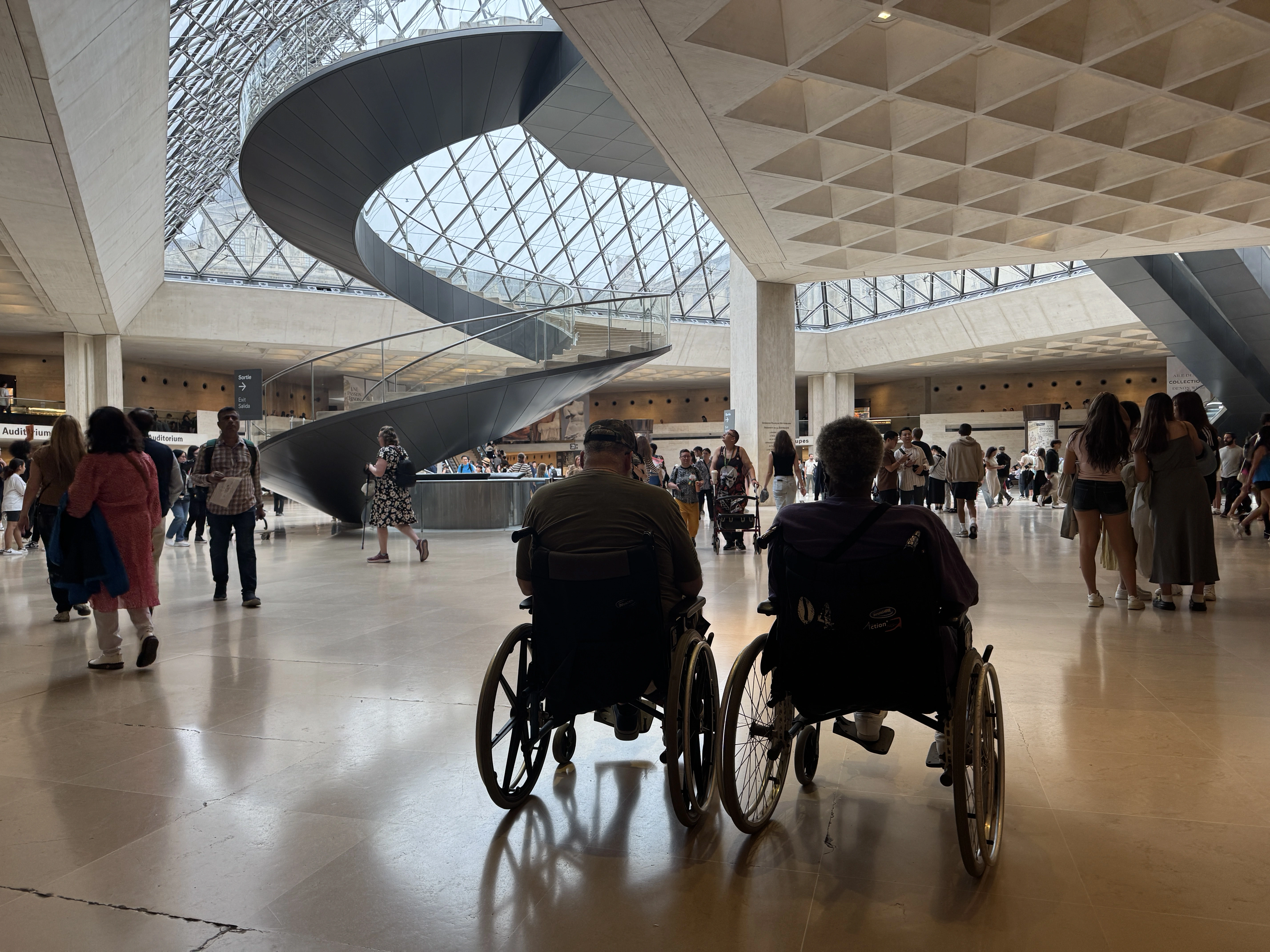
El Louvre es una visita obligada, y visitarlo en silla de ruedas puede ser una experiencia maravillosa con un poco de preparación. En esta guía, te explicaré las entradas accesibles, los ascensores, los mapas y consejos útiles para que tu visita sea fluida y agradable. Desde saltarte las colas hasta explorar las obras de arte más famosas a tu propio ritmo, estarás preparado para concentrarte en el arte y sumergirte en la magia del museo.
How to entry: entry and entries
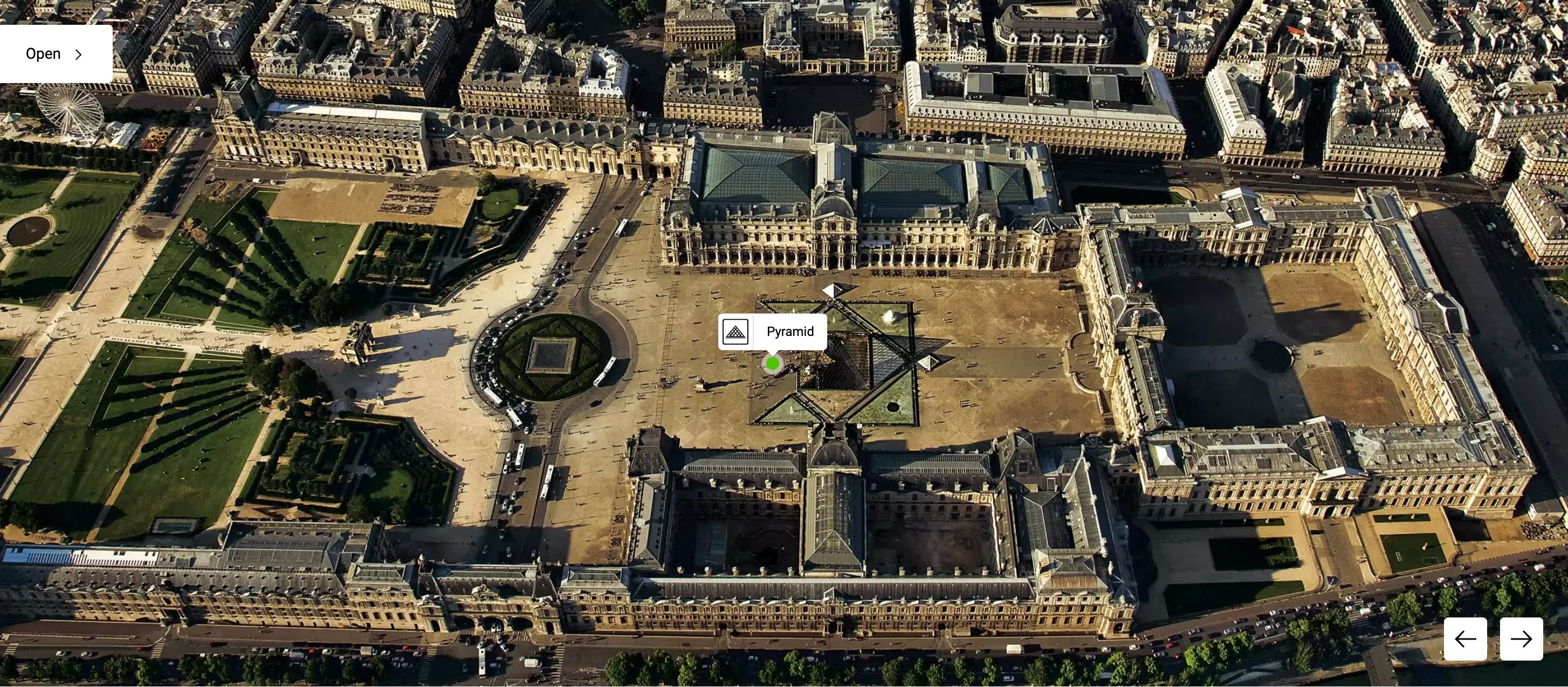
Hay dos entradas accesibles para sillas de ruedas, una está en el la pirámide principal y la otra en el carrusel.
Mi consejo de información privilegiada: recomiendo encarecidamente tomar la pirámide, ya que los ascensores del carrusel no son los más fáciles de encontrar y utilizar.
¿Sabes qué es lo mejor? El ascensor piramidal es un ascensor central en el centro de la pirámide que le ofrece una hermosa vista debajo de la pirámide y lo lleva directamente a la recepción del Louvre.
¡Y buenas noticias! El Louvre ofrece entrada gratuita y acceso prioritario for users of wheels. ¡Así no tienes que hacer cola, puedes cortar la cola y entrar directamente!
(6).avif)

⚠️ ¡Venga preparado!
Aunque la entrada es gratuita, tendrás que tener una entrada válida (gratuita) para entrar al museo.
Como el Louvre es uno de los museos más famosos del mundo, hay una demanda muy alta. Por lo tanto, las entradas se agotan con mucha frecuencia, especialmente durante la temporada alta.
Mis consejos locales:
- Reserva con antelación en el sitio web del Louvre para asegurarte una plaza.
- Lleve consigo su comprobante de discapacidad si planea alquilar una silla de ruedas en el Louvre y aun así quiere usar la entrada de acceso
Moverse by the museum
- Las principales áreas de colección del museo están equipadas con ascensores y rampas, pero algunas secciones pueden ser inaccesibles debido a las limitaciones del edificio histórico.
- Las sillas de ruedas se pueden pedir prestadas de forma gratuita en el mostrador de bienvenida (alrededor de 20 en total). Se asigna por orden de llegada. La disponibilidad suele ser buena por la mañana, pero puede ser más limitada por la tarde.
- El personal está capacitado y disponible para ayudar, así que****no dudes en pedir ayuda con las indicaciones, el acceso o la asistencia.
- UN mapa de accesibilidad del museo está disponible para guiarlo por las rutas más aptas para sillas de ruedas. Aunque solo está disponible en francés, el mapa es bastante claro, por lo que puede ser de gran ayuda
- Banos accesibles se encuentran en todo el museo, incluso debajo de la pirámide.
Mis consejos de expertos:
- Tenga en cuenta que no todos los ascensores admiten sillas de ruedas más grandes.
- Planifica con antelación de tiempo si no quieres pasarte horas buscando un ascensor.
- Puedes saltarte la cola ¡en la entrada y en la Mona Lisa para estar delante de todos!
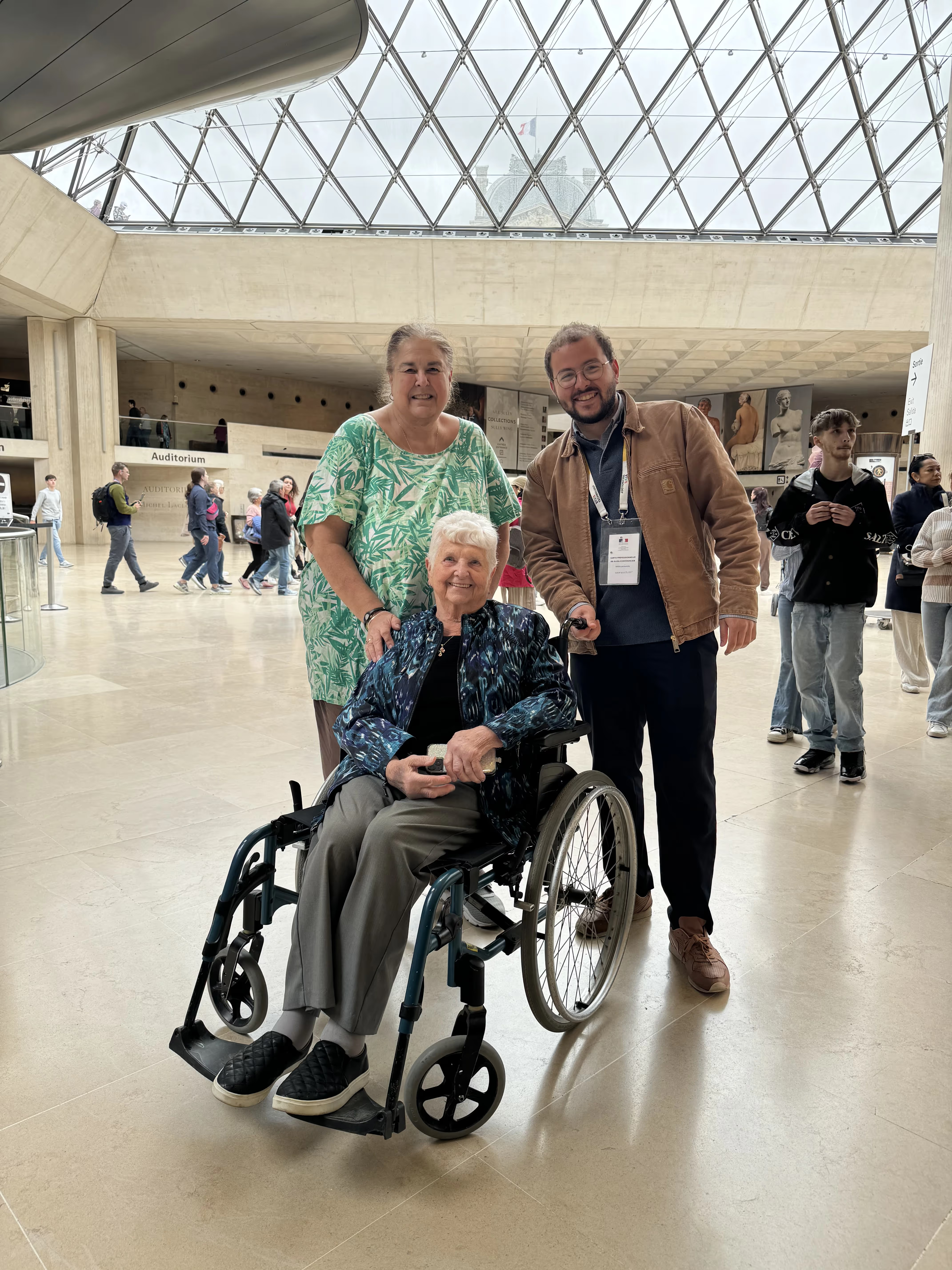
Tours accesibles para sillas de ruedas
¿Quieres moverte por el museo sin preocupaciones?
Si está estresado por esto, siempre puede acudir a un profesional local para que lo ayude a que sea una experiencia fluida y sin estrés.
Visitas guiadas especializadas se puede organizar a través de agencias de viajes que se adaptan a los usuarios de sillas de ruedas.
Confíe en los expertos de recorridos accesibles para sillas de ruedas: Aqui es un recorrido por el Louvre accesible en silla de ruedas que puede disfrutar.
Antes de ir: consejos finales para una visita sin problemas
Planificar con anticipación realmente marca la diferencia cuando se visite el Louvre en silla de ruedas. Estos son algunos últimos consejos que le ayudarán a que su día transcurra sin problemas:
- Llegue temprano si planeas pedir prestada una silla de ruedas, ya que hay menos disponibilidad a medida que pase el día.
- Descargar o imprimir el mapa de accesibilidad con antelación para que puedas planificar tu ruta dentro del museo.
- No dudes en pedir ayuda al personal.
- Mantén tu ritmo. El Louvre es enorme, por lo que está bien centrarse solo en una o dos alas durante sus visitas.
- Manténgase flexible. Es posible que algunas galerías o ascensores estén cerradas temporalmente, por lo que tener un plan alternativo puede ayudar a reducir el estrés.
Y si prefieres no preocuparte en absoluto por la logística, reserva un visita guiada accesible en silla de ruedas puede ser una excelente manera de disfrutar del museo a tu propio ritmo, con todo cuidado para ti.
.png)



-100.avif)




.avif)
.svg)
.svg)
.svg)
.svg)