



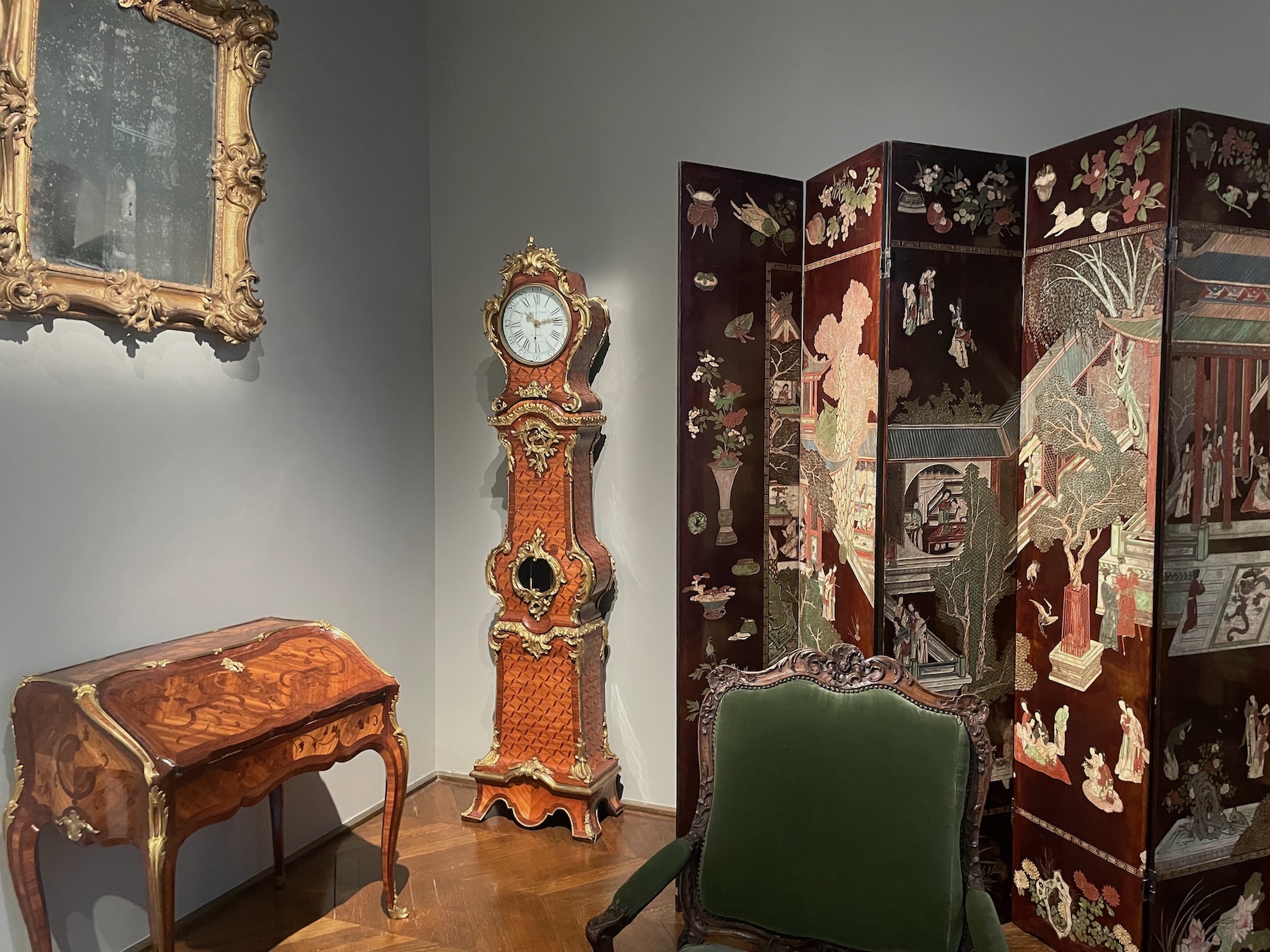
Did you know that within the Louvre, there’s another entire museum? The Musée des Arts Décoratifs, or MAD for mode (fashion), arts, et design, sits in the northwest wing of the Louvre along Rue de Rivoli, and is often overlooked in favor of its much more famous housemate.
Whether you’re into furniture, jewelry, fine china and glassware, or none of the above, a walk through the MAD gives a great glimpse into the history and trends of France through items designed to be used, not just observed.
What is the MAD?
Conceived in the late 19th century and opened in 1905, the museum’s purpose was to highlight the work of craftsmen in the world of fine arts, and uplift their contributions to broader culture.
Walking through the permanent collections of the Musée des Arts Décoratifs, you’ll see more than simple furniture. The layout takes you through the history of France, from the Middle Ages to modern day. A combination of furniture, tapestry, glassware, porcelain, posters, and more show visitors how French design evolved, innovated, and borrowed from influences around the world.
A Journey Through French History
You can trace the political and social evolution of France just by looking at the furniture that was created and used. Here's a small glimpse of what you'll see s you walk through the permanent collection.
Middle Ages
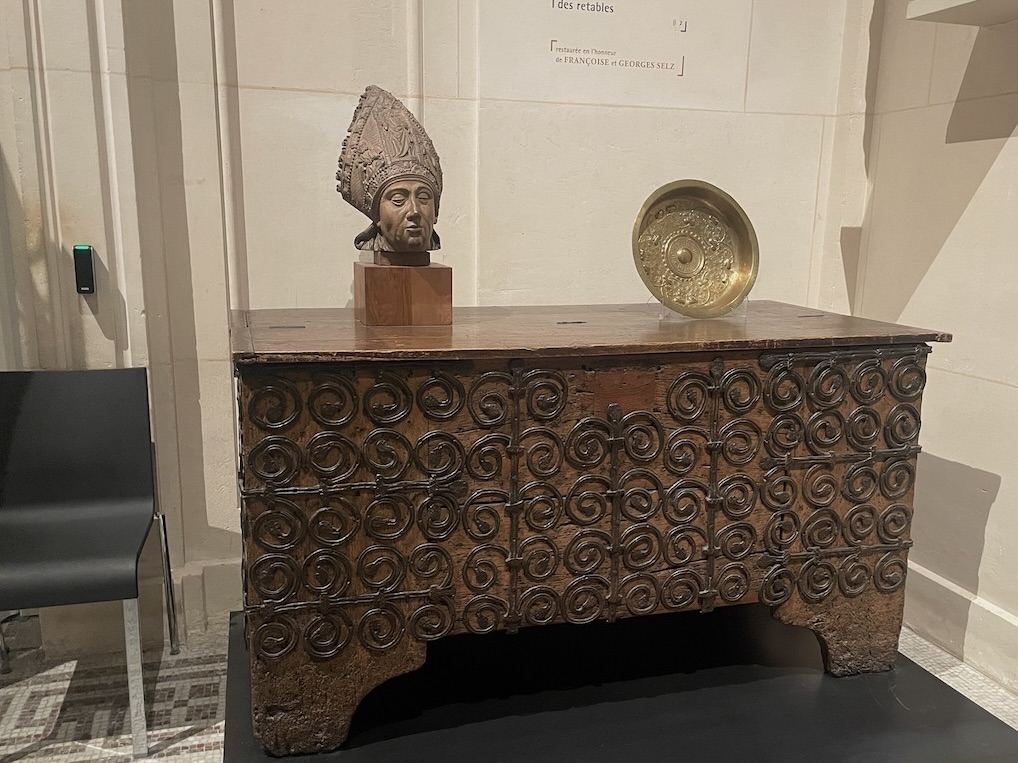
First, an old chest from the 14th century, the ironwork on which looks a bit like a church door. In medieval times, artisans and craftsmen were employed to work on religious buildings, so the same designs appear on everyday items.
Renaissance
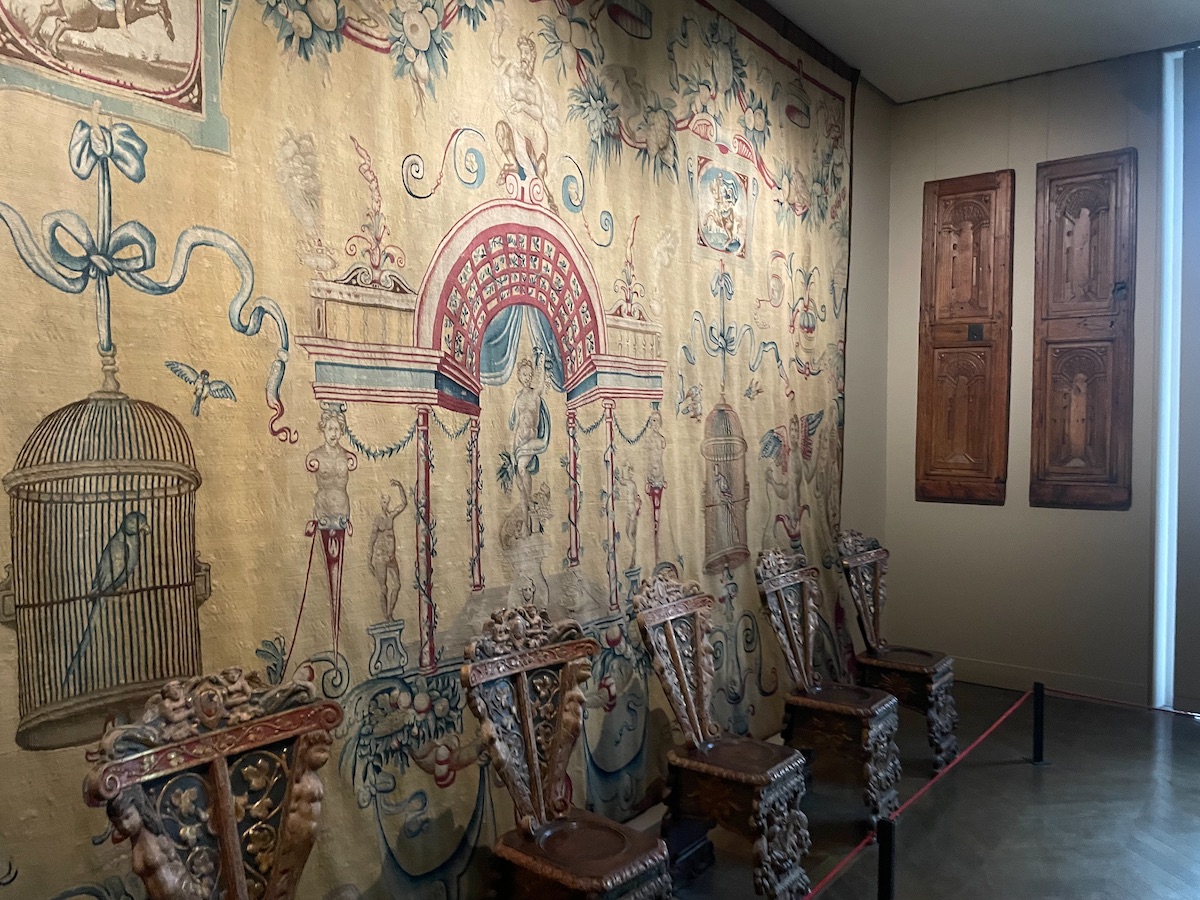
Next, a tapestry and chairs from the Renaissance era, when some innovative new furniture came into fashion, like the sgabello chairs you see here. During the Renaissance, artisans and artists were looking to Antiquity for inspiration; you can see the Roman motifs in the tapestry.
Louis XIV
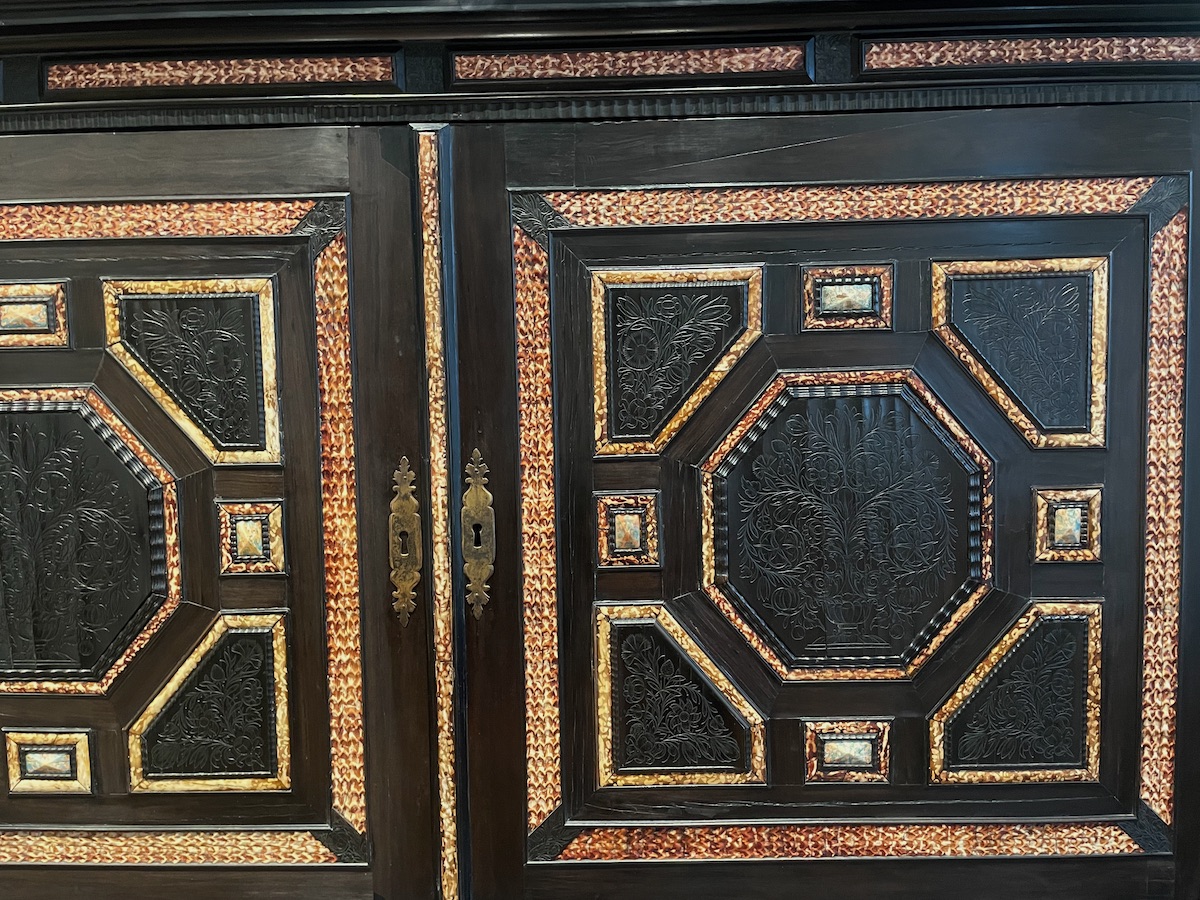
As global trade expanded in the 17th century, a new material came onto the French market: ebony, found in India and Madagascar, initially had a practical purpose. Trading arms and canons for spices resulted in a need for extra weight to keep ships from tipping over on their way back to Europe. Ebony, a water-resistant wood, would be taken back with the spices as ballast and then carved into cabinets. In fact, ebony became such an important import that the French word for “cabinetmaker” comes directly from this material: ébéniste.
18th century
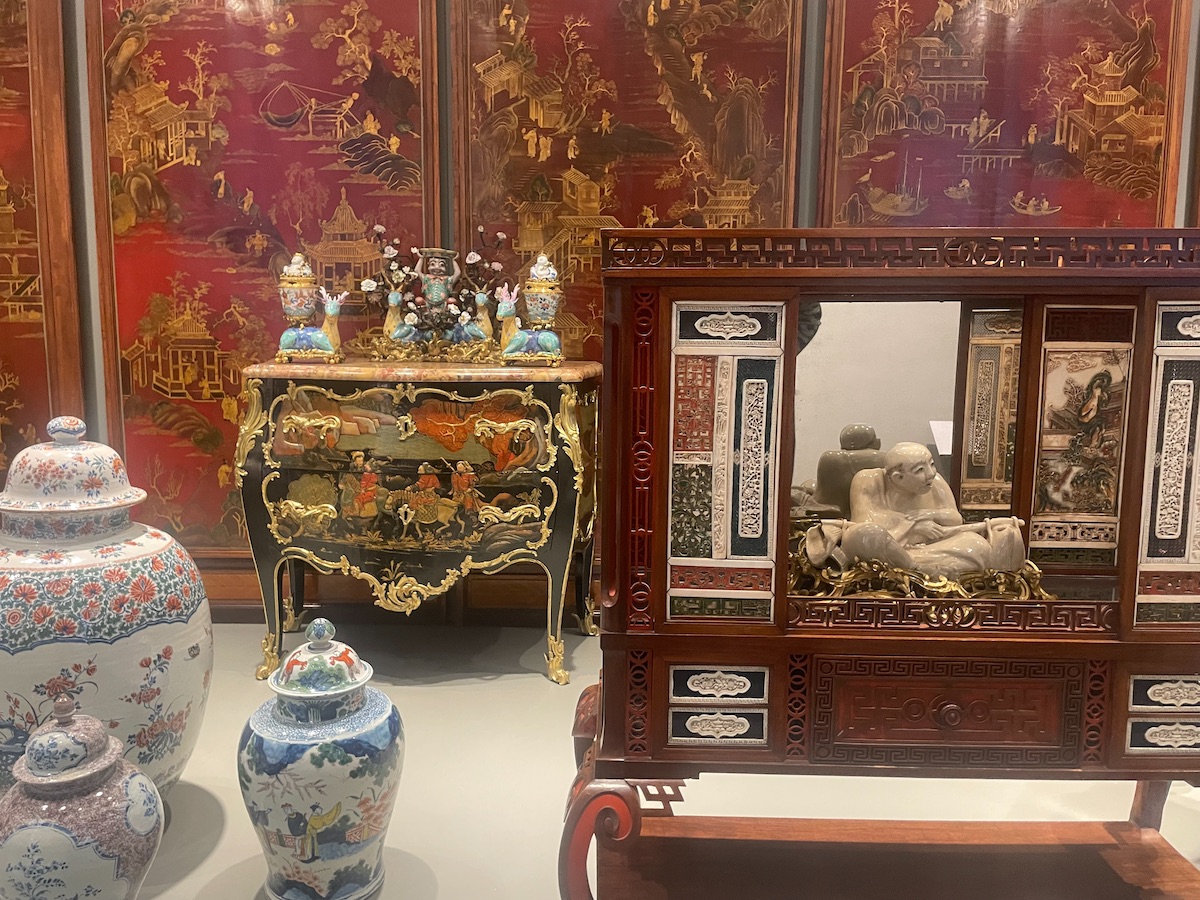
The room below shows examples of chinoiserie, the style of decorative arts inspired by Chinese and Japanese art, which French cabinetmakers tried to adapt to existing French furniture styles. East Asian art was fashionable during the 18th century, a result of colonial expansion and a flourishing merchant class.
Restoration
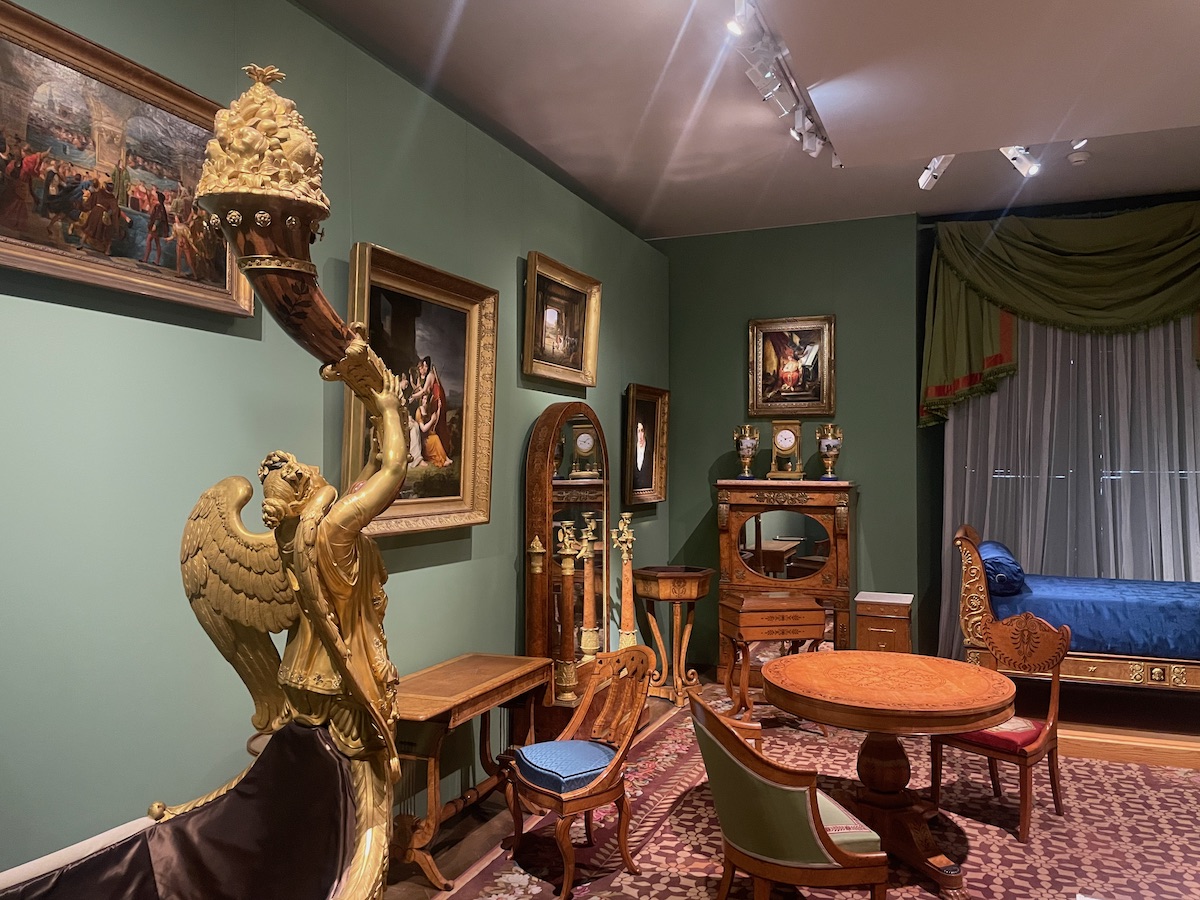
Rather than show everything separately, you can see rooms constructed as they might have appeared in their time. This room is from the Restoration era, when France returned to monarchy, reeling from the upheaval of a Revolution and Napoleon.
"Neo" everything
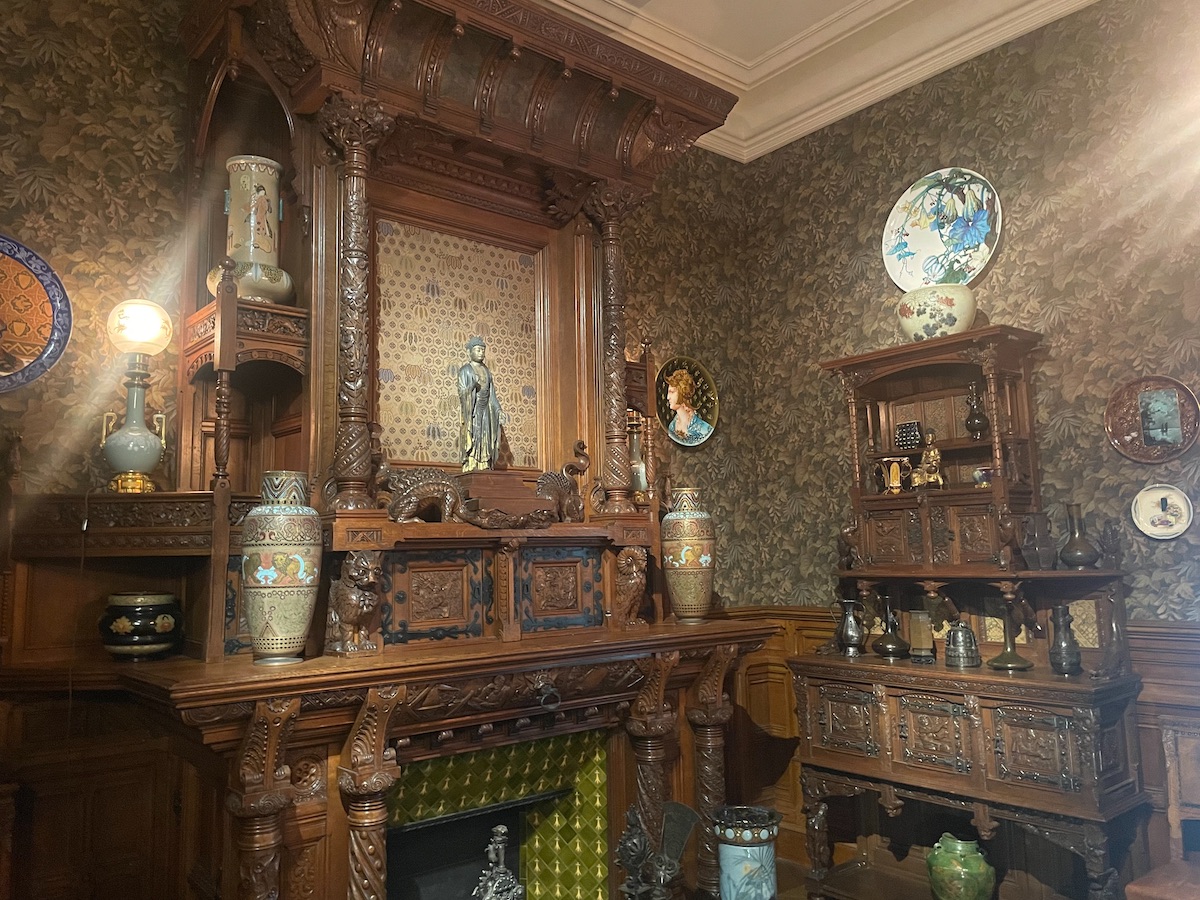
During the Second Empire and through to the end of the 19th century, France was making everything old new again: neo-Renaissance, neo-Gothic, neo-Byzantine were that day’s take on old styles, but turned up to a higher degree. The “Neo” era is characterized by abundance; no space is left empty of embellishment and decoration.
Art Nouveau
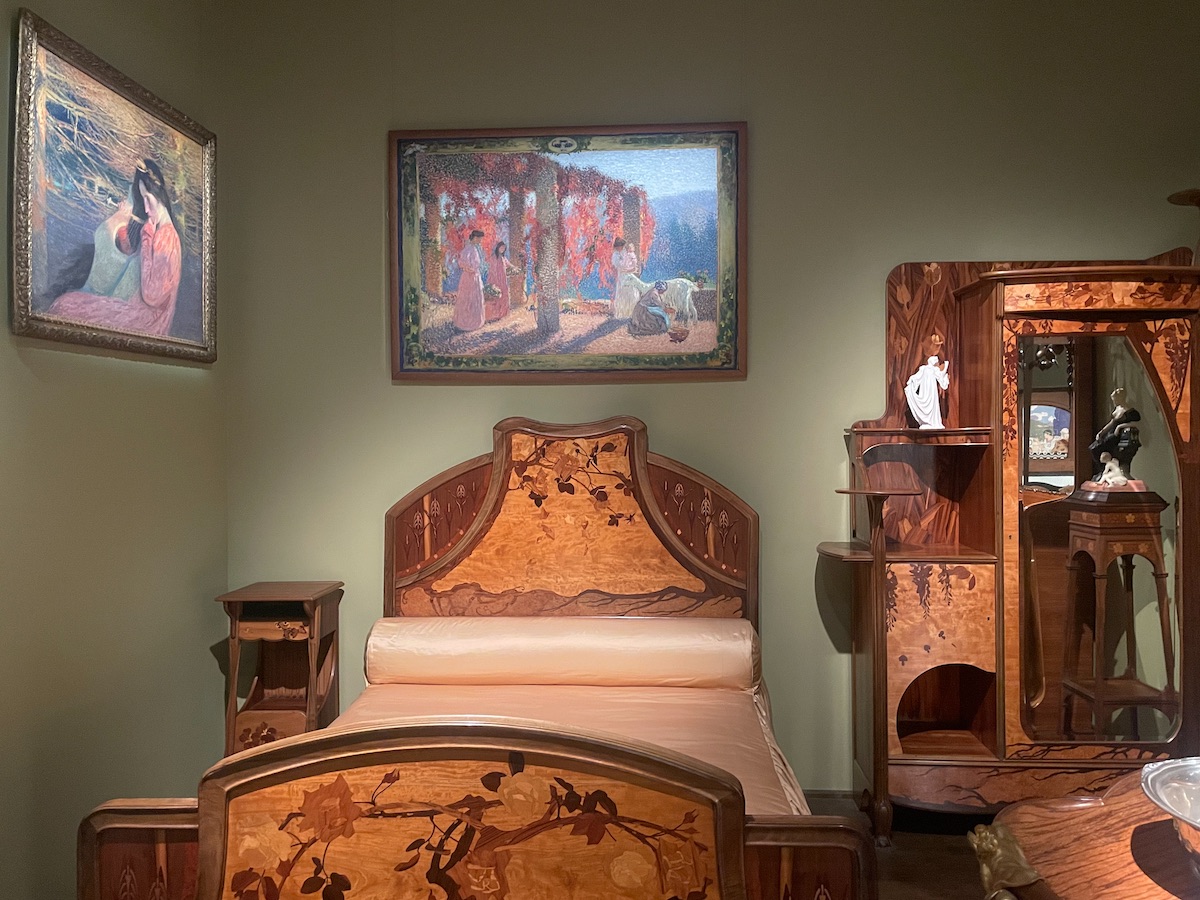
Finally, art nouveau took shape around the turn of the 20th century, influenced by natural motifs, stylized representations, and clean lines.
You'll see these examples and so many more decorative arts, on a visit to the MAD.
Visit the Musée des Arts Décoratifs
Together, these everyday objects illustrate the story of France, and provide an alternative to museums emphasizing paintings and sculpture. So if you find yourself by the Louvre and looking for something a little different, head down Rue de Rivoli to check out the Musée des Arts Décoratifs!
Address: 107 Rue de Rivoli, 1st arrondissement
You can reserve a ticket in person or on the museum website.
Follow our Parisian adventures!
.png)


-100.avif)




.avif)
.svg)
.svg)
.svg)
.svg)