




Paris is a city we think we know, its monuments, its museums, its grand boulevards. And yet, hidden between buildings and tucked away from the noise of traffic, there exists another Paris: quieter, more intimate, almost secret.
This article invites you to step inside the covered passages : elegant glass-roofed galleries built at the turn of the 19th century. Born from social change, shaped by innovation, abandoned and rediscovered, they reveal how Paris evolved alongside new ways of consuming, strolling, and experiencing the city. Walking through them is not just a journey through architecture, but through the history of modern urban life itself.
I. The Birth and Golden Age of the Covered Passages
1. The Rise of the Bourgeoisie and a New Culture of Consumption
Before the French Revolution of 1789, France was divided into social classes and one of the most important one was the nobility. The nobles didn't work, didn't pay taxes and they received an annual rent from the land that they own.
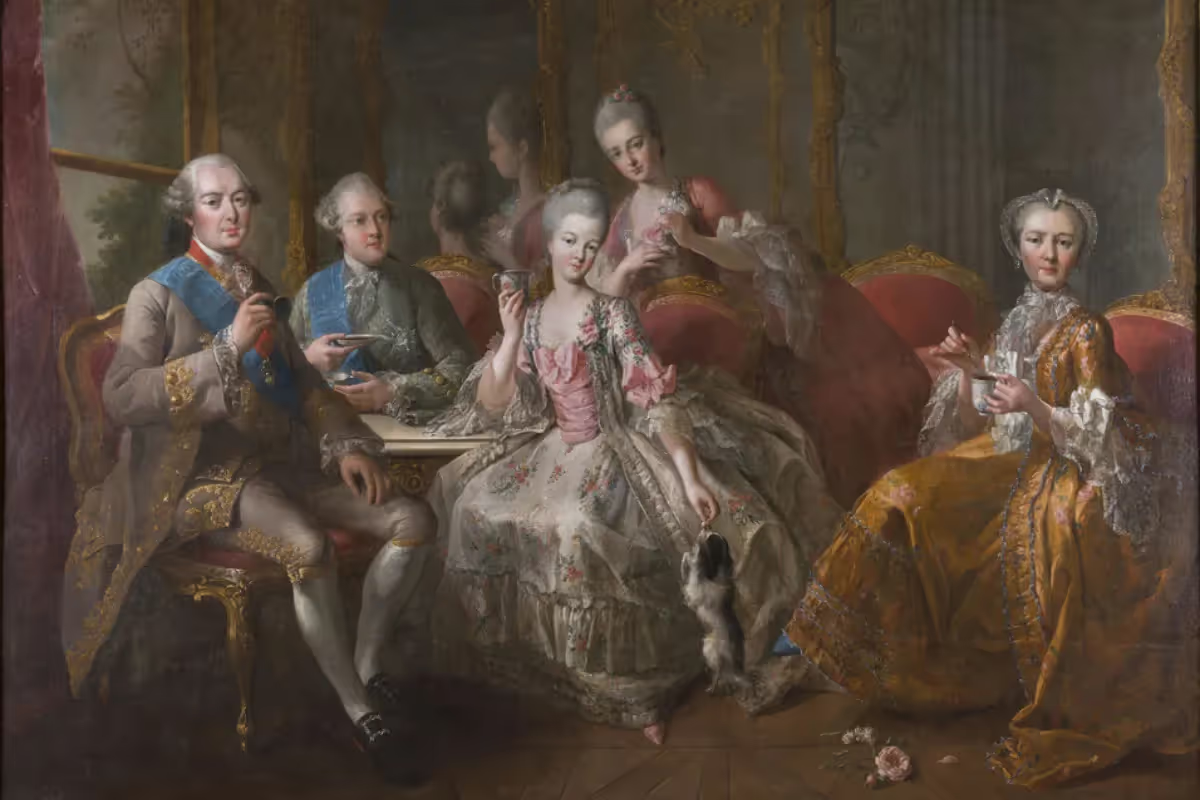
But it all changed after the revolution. The status of noble was revoked and a new class emerged: the bourgeoisie. The Revolution dismantled the legal privileges of birth and reinforced new values: equality before the law, freedom of trade, and the idea that status could be built through property, education, and economic activity.
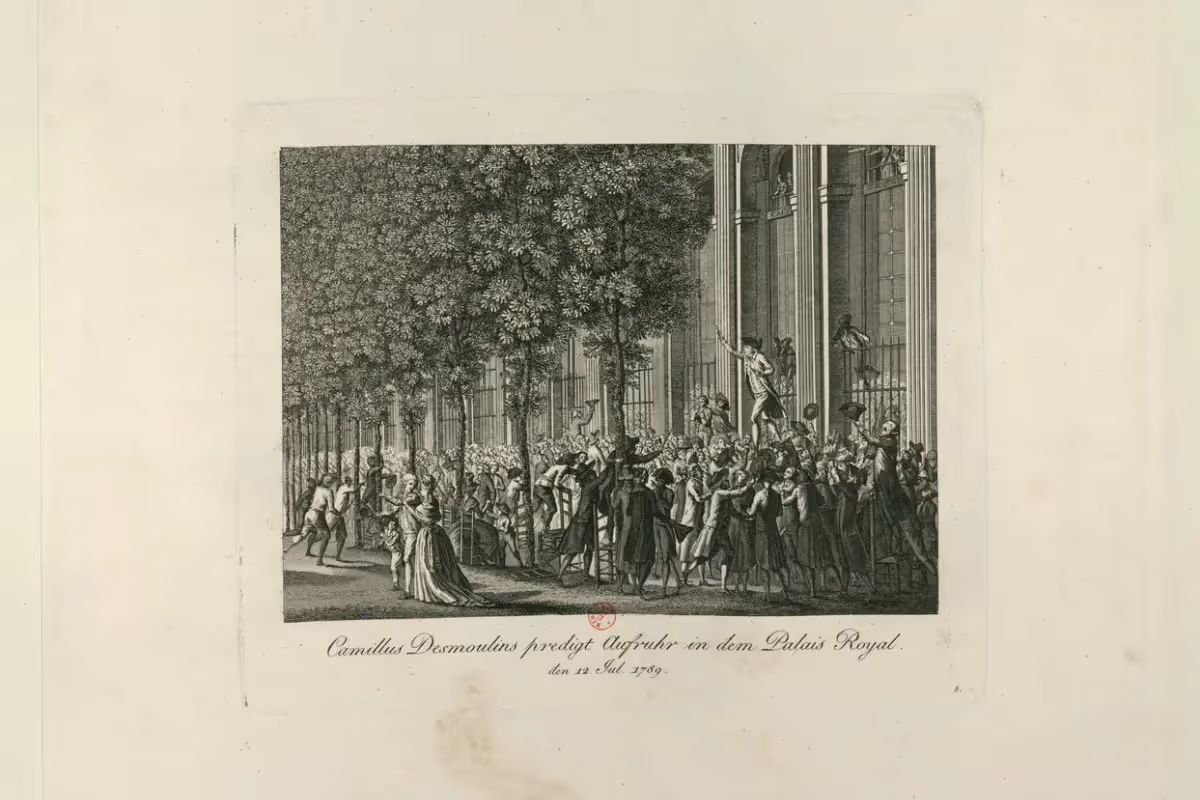
Without the nobility, the bourgeoisie rose to the center of society. Made up of merchants, traders, doctors, and financiers, they worked hard throughout the week and accumulated wealth. With this new lifestyle, Leisure itself became a marker of success: free time turned into moments for strolling, sit at a café, theater, and shopping. Consumption was no longer just a necessity, but a way to set themselves apart from the masses and affirm their social status.
2. The Palais-Royal: The Birthplace of Commercial Leisure
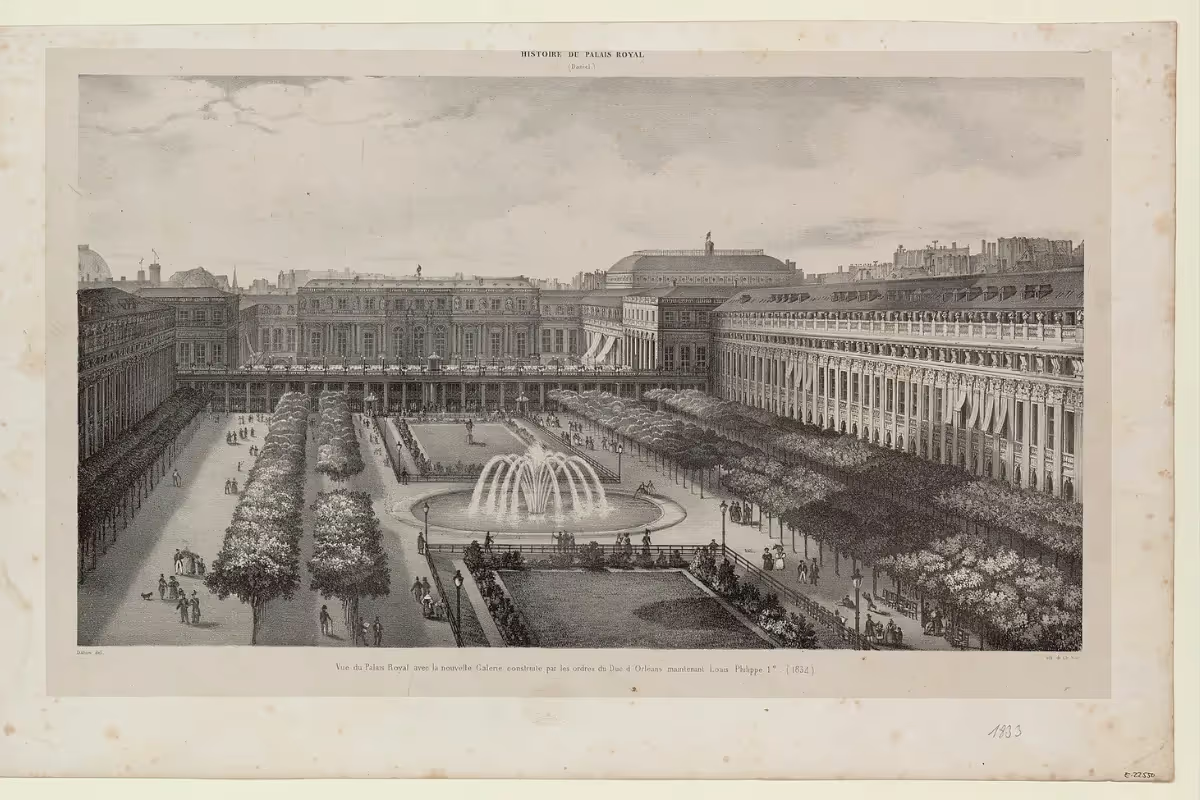
One man who was heavily in debt saw an opportunity in this new consumer culture: the Duke of Orléans. Member of the royal family and cousin of King Louis XVI, he owned the Palais-Royal but faced serious financial difficulties. To generate income, he decided to transform his property into a profitable commercial space.
In the 1780s, around the gardens of the Palais-Royal, he built arcaded structures. He rented the ground floors to shops, cafés, and theaters, while the upper floors were leased as apartments. This was not yet a covered passage, but it introduced a revolutionary idea: a semi-enclosed, pedestrian space entirely dedicated to commerce and leisure. The success of the Palais-Royal would later inspire the development of the covered passages that spread across Paris in the decades that followed.
3. The Spread of the Passages: A Commercial Strategy
After the revolution about 30% of the real estate in Paris had been confiscated and then later on sold to auctions. Paris became a playground for investors looking for quick, profitable projects, and passages were ideal: they could be inserted into existing urban blocks (courtyards, backyards, inner spaces) without massive demolition.
These passages were quite easy to build because all you had to do was to take a narrow street or a courtyard and have it covered with a glass ceiling. The most important thing was to make sure that it was reserved for pedestrian and to curate shops in a way that they could be complimentary so people could spend as long as possible in there.
People didn’t come to the passage for just one thing. You might go there to see a play, and because theaters, restaurants, and shops were placed side by side, it naturally became an entire outing.
4. The Passages as Showcases of Innovation
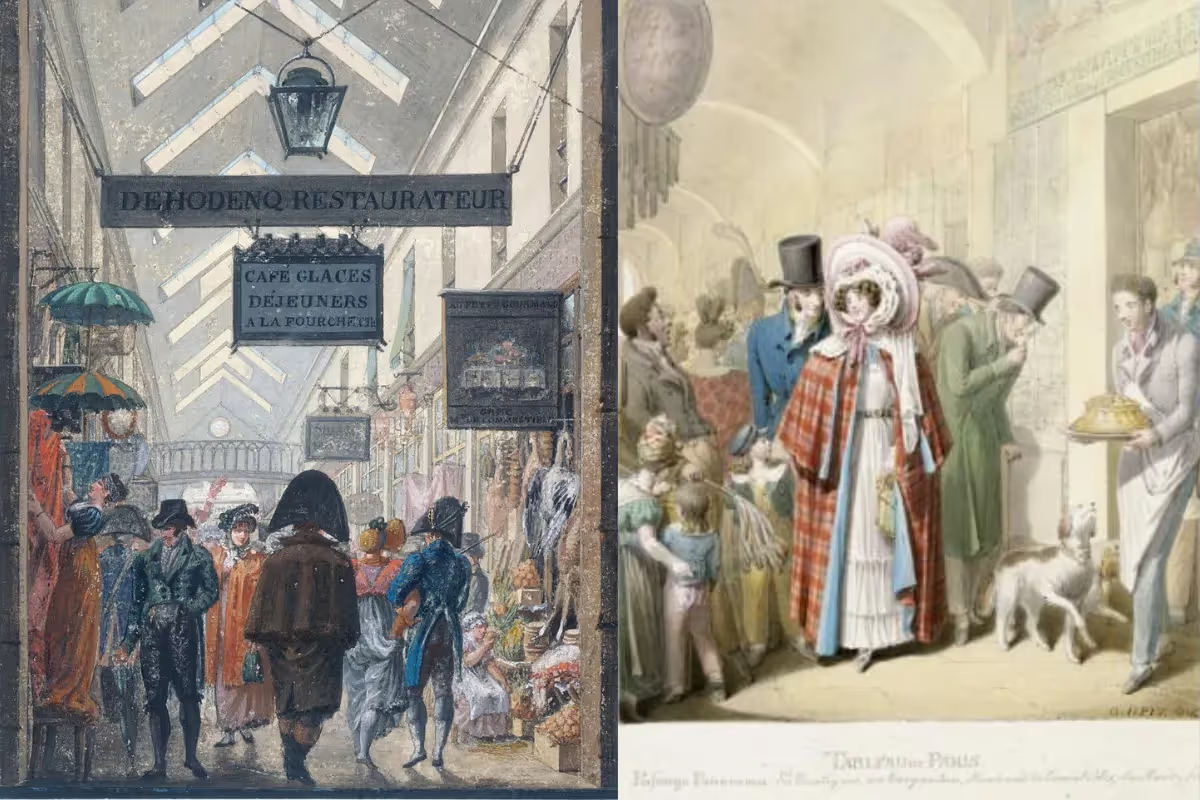
You have to imagine that back in the day streets were not paved. So you had dirt, horse manure everywhere and entering the passages meant to enter a preserved space. They even paid people to scrape dirt of your shoes!
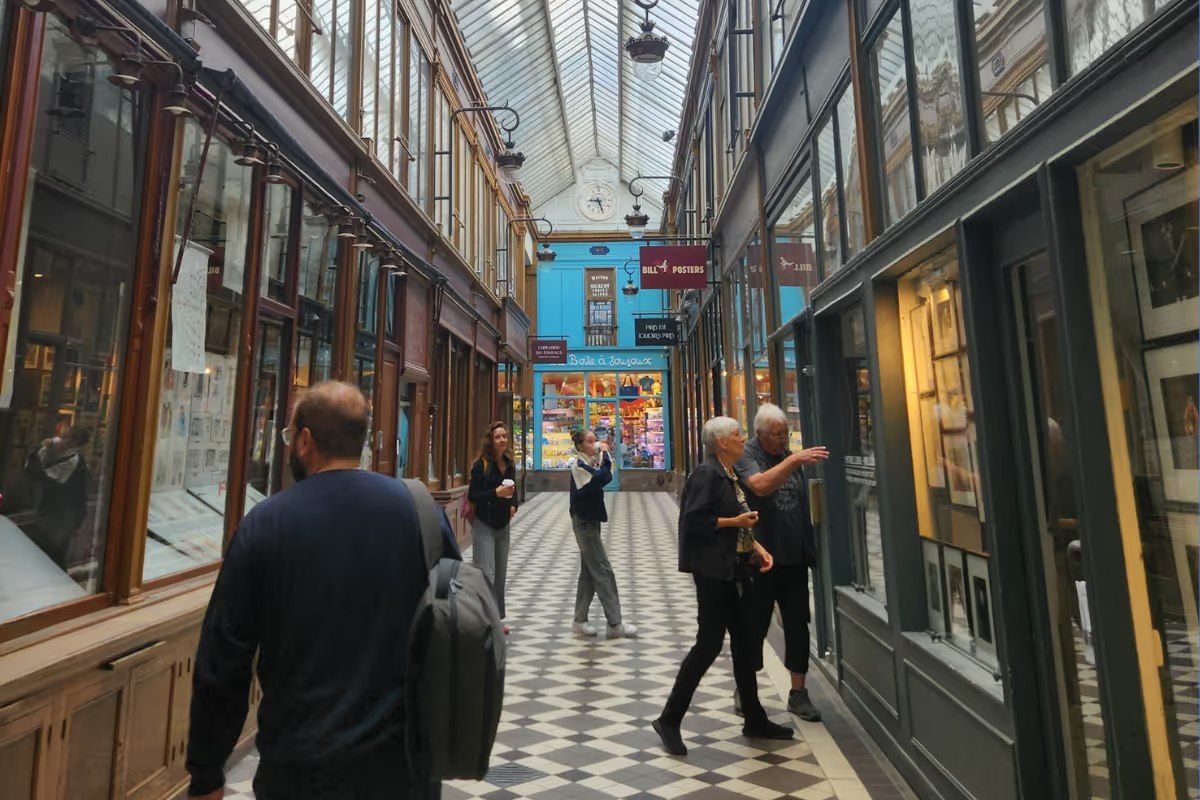
As these passages became more numerous, they began competing with one another. Each sought to offer greater comfort and more advanced features in order to attract customers, like Passage Jouffroy.
The 19th century was the age of the Industrial Revolution, marked by rapid scientific and technical progress. Because the passages were privately owned, their developers were free to experiment with innovation. They introduced metal-and-glass structures, gas lighting (later replaced by electricity) and even underfloor heating.
The modernity and comforts of the passages was a major draw for the bourgeoisie. Walking inside a passage meant walking into a controlled version of the city: visitors enjoyed not only a clean and sheltered environment, but also warmth and consistent lighting throughout the day.
5. Luxury, Visibility, and Social Display
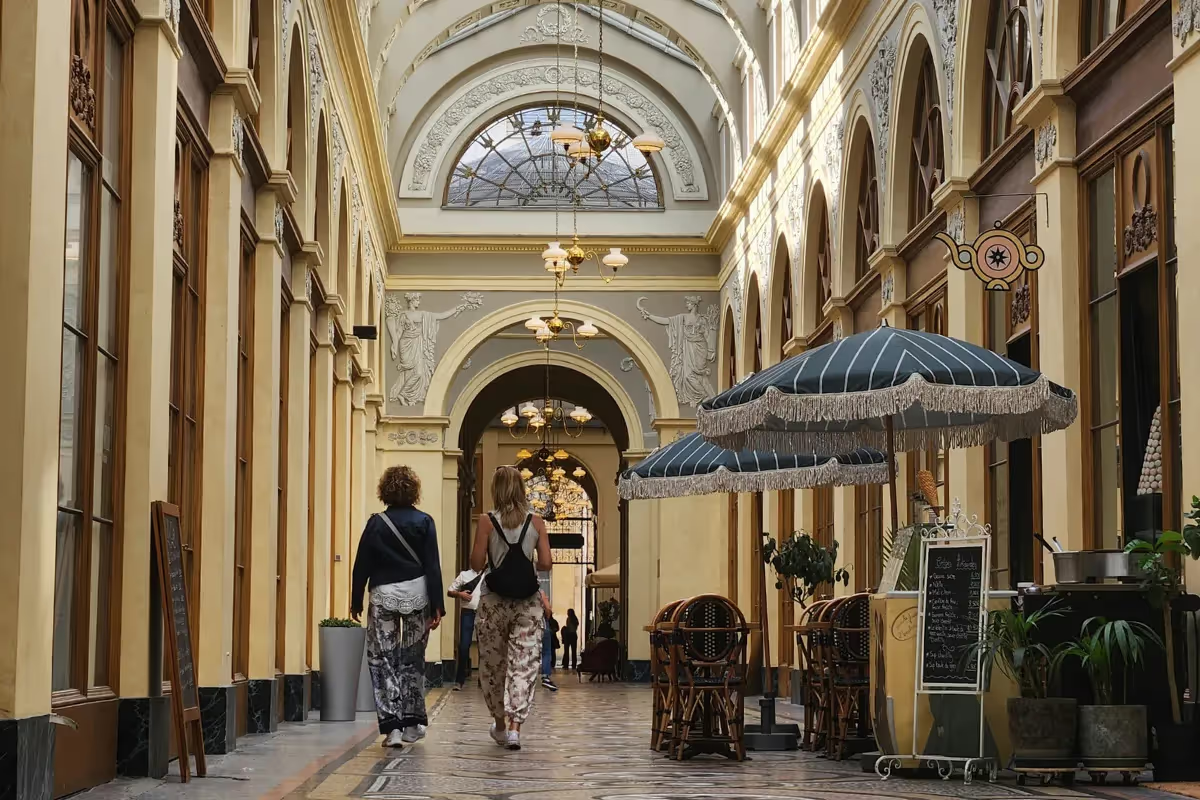
Passages were competing to be the most beautiful, the most interesting, and the most luxurious. Each one tried to distinguish itself through architectural refinement, decorative richness, and an atmosphere that would attract an increasingly demanding bourgeois clientele.
One of the most beautiful in my opinion is Galerie Vivienne, built in 1823. It’s the epitome of luxury because they chose the word gallery to copy museums of Versailles. It has mosaics on the floor, little designs on the ceiling such as representation of Hermes, cornucopias, anchors, anything that is related to the antique and to trade.
II. Decline and Changing Urban Models
1. Haussmann and the End of the Passage Era
We saw the rapid rise of these galleries and passages and how beautiful and modern they were. However, at the turn of the 1850s, they will soon decline as the city will start to change again and so will habits.
Indeed, in 1852, the Baron Eugène Haussmann is named at the head of Paris as an urbanist and completely transformed the city. He took more than 20,000 buildings and had them destroyed in order to rebuild more than 40,000 new ones. Haussmann’s Paris was built for circulation, and wide perspectives: streets were enlarged, light flooded the public space.
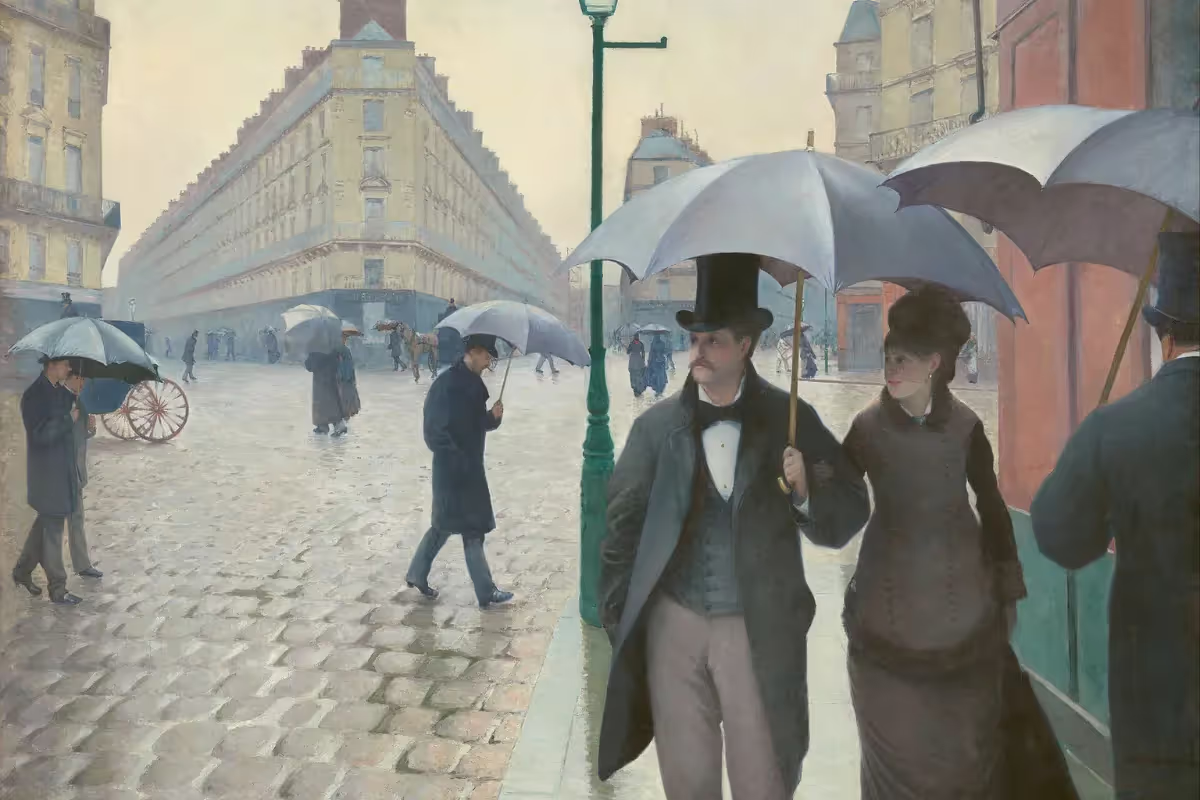
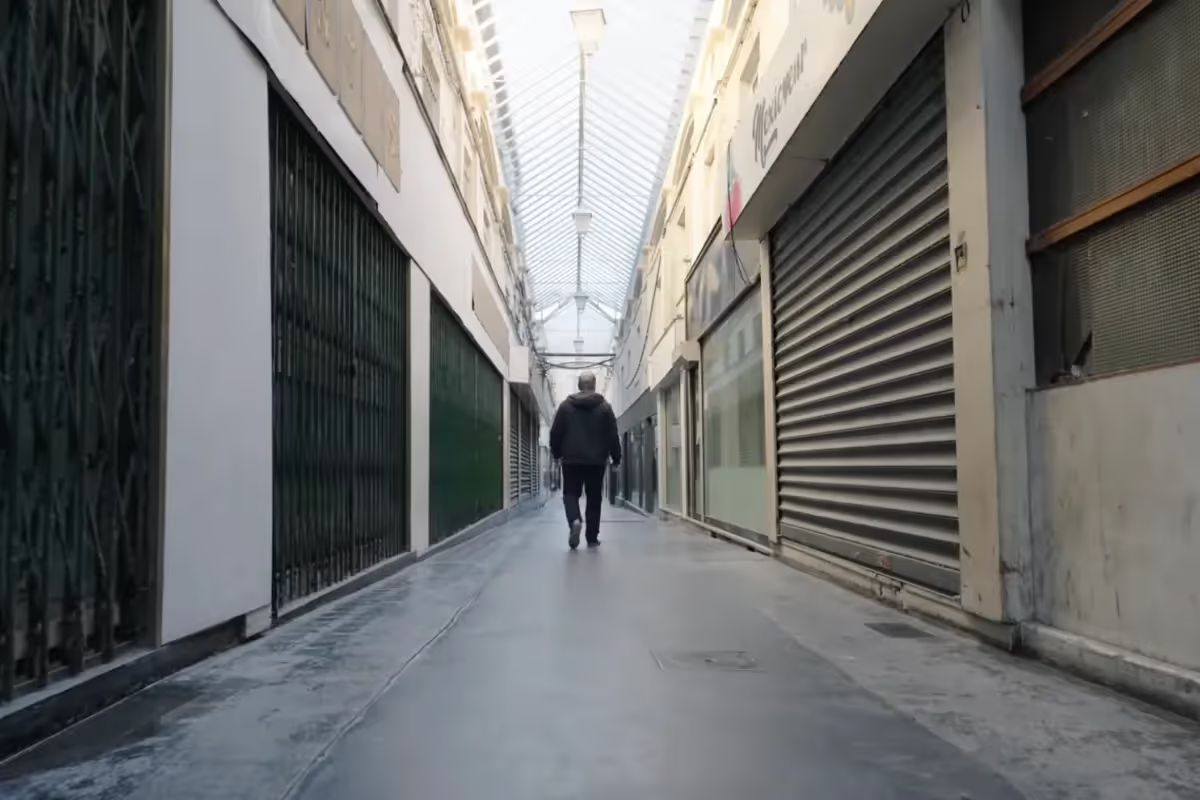
Passages suffered directly from Haussmann’s works: in a city now shaped around straight boulevards and open-air movement, passages increasingly felt narrow, hidden, and disconnected from the new urban rhythm. Between the late 19th and early 20th century, many passages disappeared entirely destroyed, shortened, or transformed. The Passage du Caire is a telling example. At nearly 360 meters, it is the longest covered passage in Paris, yet it is also one of the most affected by Haussmann’s reforms. Cut off from main circulation routes, it gradually lost its vitality. Today, despite changes in the surrounding Sentier district, the passage remains hidden and many of its shops are closed.
3. The Rise of Department Stores and the Decline of the Passages
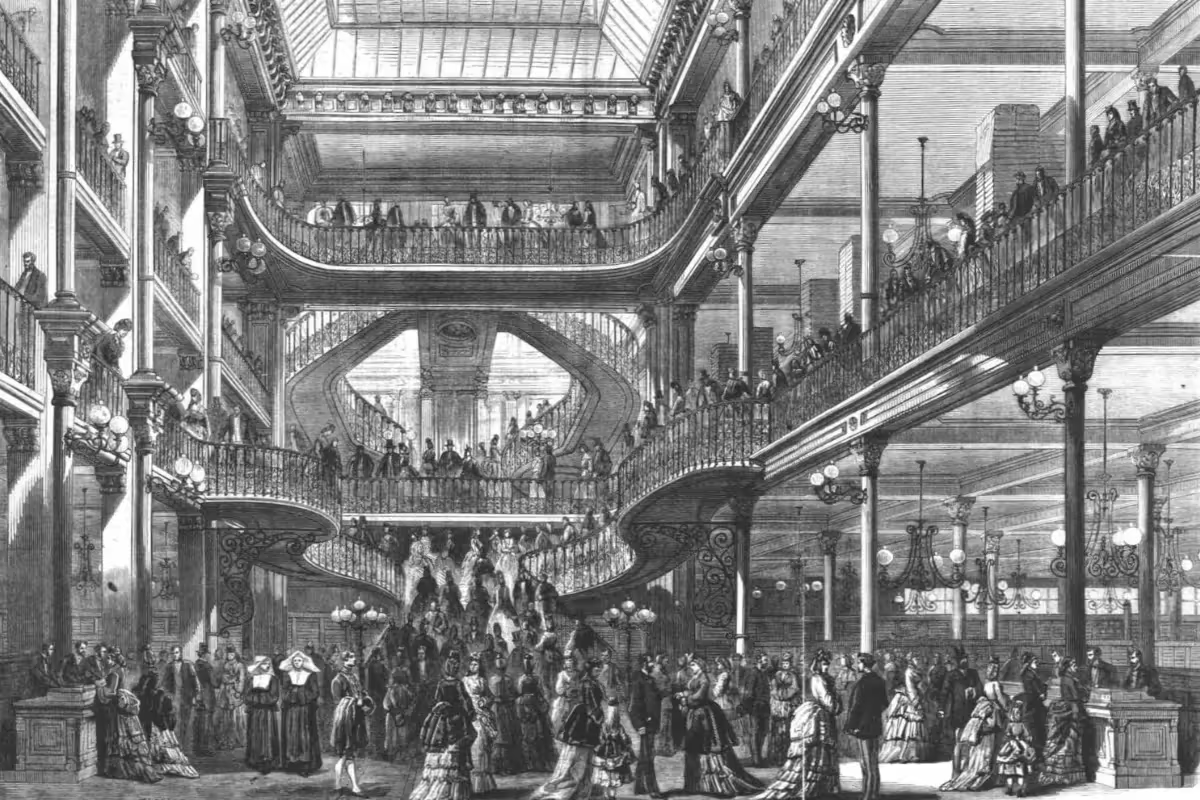
Also, after Haussmann’s transformation of Paris, a new commercial model emerged: the great department stores. Built along the wide, newly opened boulevards, they were bright, spacious, and impossible to miss. In one single building, customers could find everything, in conditions that felt cleaner, more modern, and more accessible than the older passages.
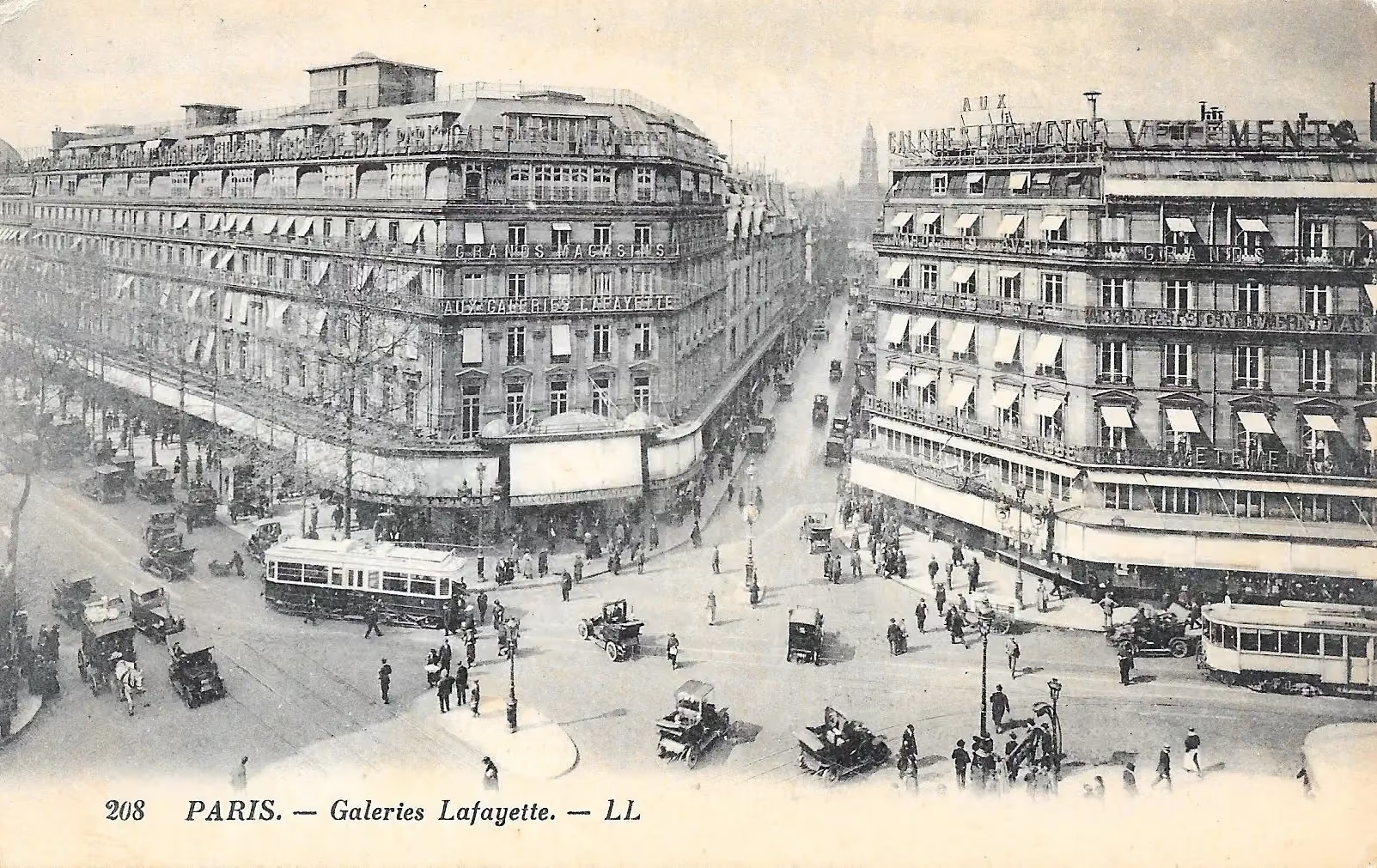
The logic of shopping changed: you no longer crossed a sequence of small boutiques, you entered a “temple” of consumption, designed to impress through scale, spectacle, and abundance. As a result, the covered passages gradually lost their appeal. Once prized for their comfort and elegance, they began to seem narrow and outdated.
III. Heritage and Reinvention
1. What Remains: A Protected Urban Heritage
At their peak (around the 1830s–1840s), Paris had roughly 130–150 active passages. Over time, more than half disappeared, especially between the mid-19th century and the early 20th century.
So what is left today of these passages? Well there's only about 20 that are remaining scattered throughout the city.
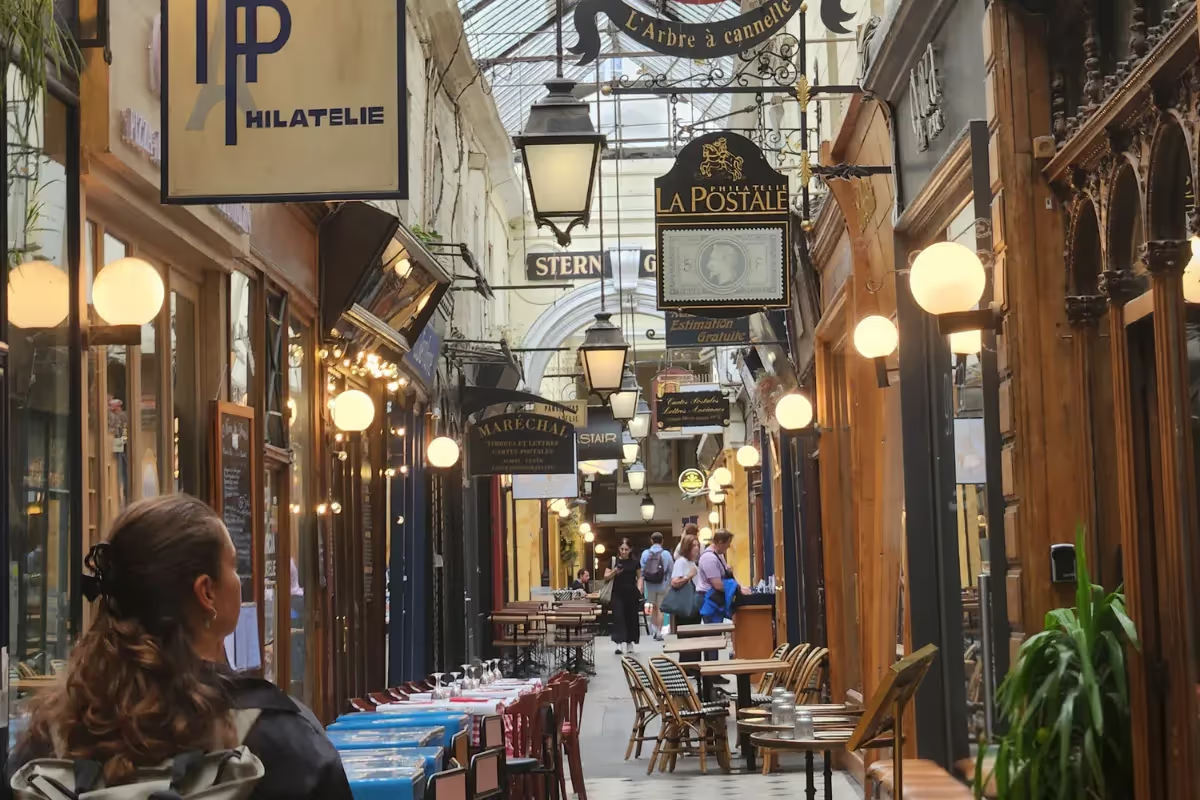
Their survival is largely due to their recognition as protected heritage sites. The state granted them patrimonial status, meaning their architecture, layout, and decorative elements cannot be significantly altered. As a result, they have been preserved as witnesses of a vanished urban model. Today, visitors come especially in these passages to discover them as part of that history.
2. New Identities: Communities and Cultural Revival
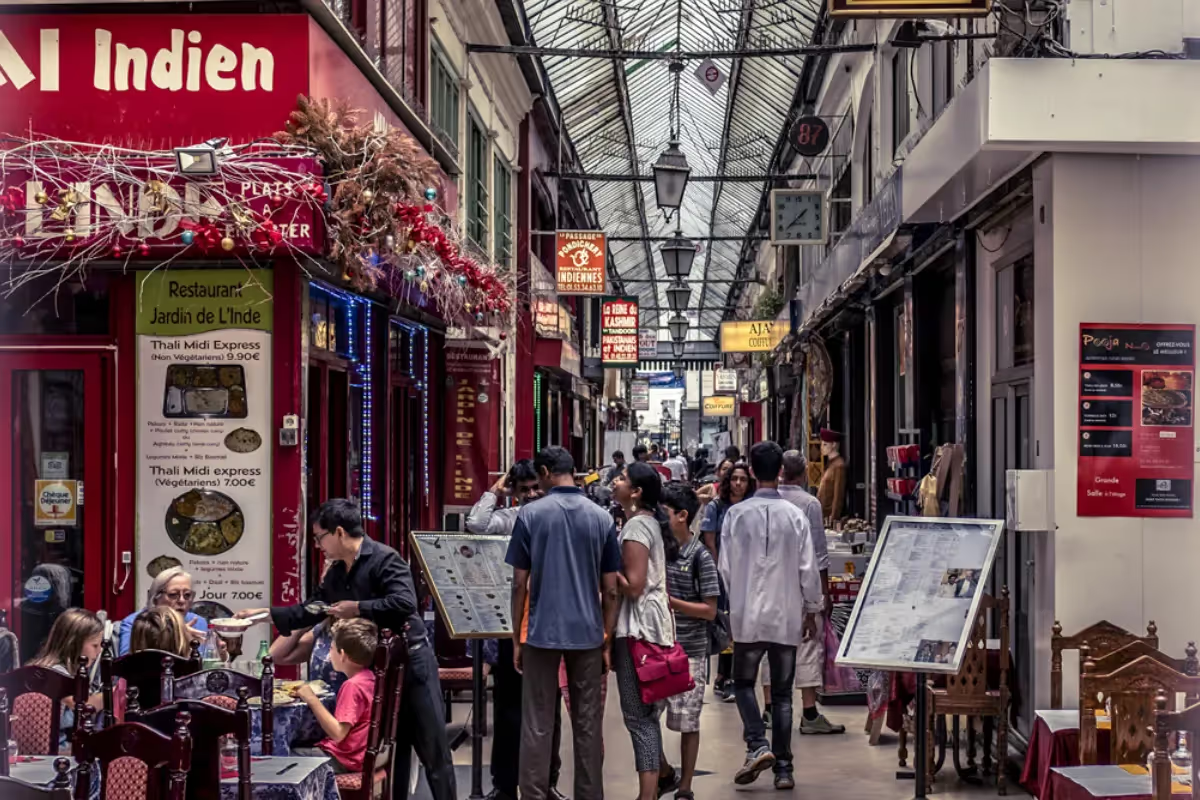
Some passages who were abandoned got revived by the local community. An interesting case for the renewal of these passages is Passage Brady. It was left completely abandoned after Haussmann because it was cut in multiple parts and it's the local Indian community that has revived it by opening restaurants specialty shops. Today we call it “Little India”.
3. A Contemporary Comeback: Experience over Mass Consumption
In the 21st century, trends are changing again. As people are gradually losing interest in department stores, passages are having a second wind. What we are looking for are authentic experiences, smaller shops that have character and these passages are adapting themselves. For instance, in Passage du Grand-Cerf, the highest passage in Paris, you can take a break in one of the two coffee shops, take pilates classes, or even create your own notebook.
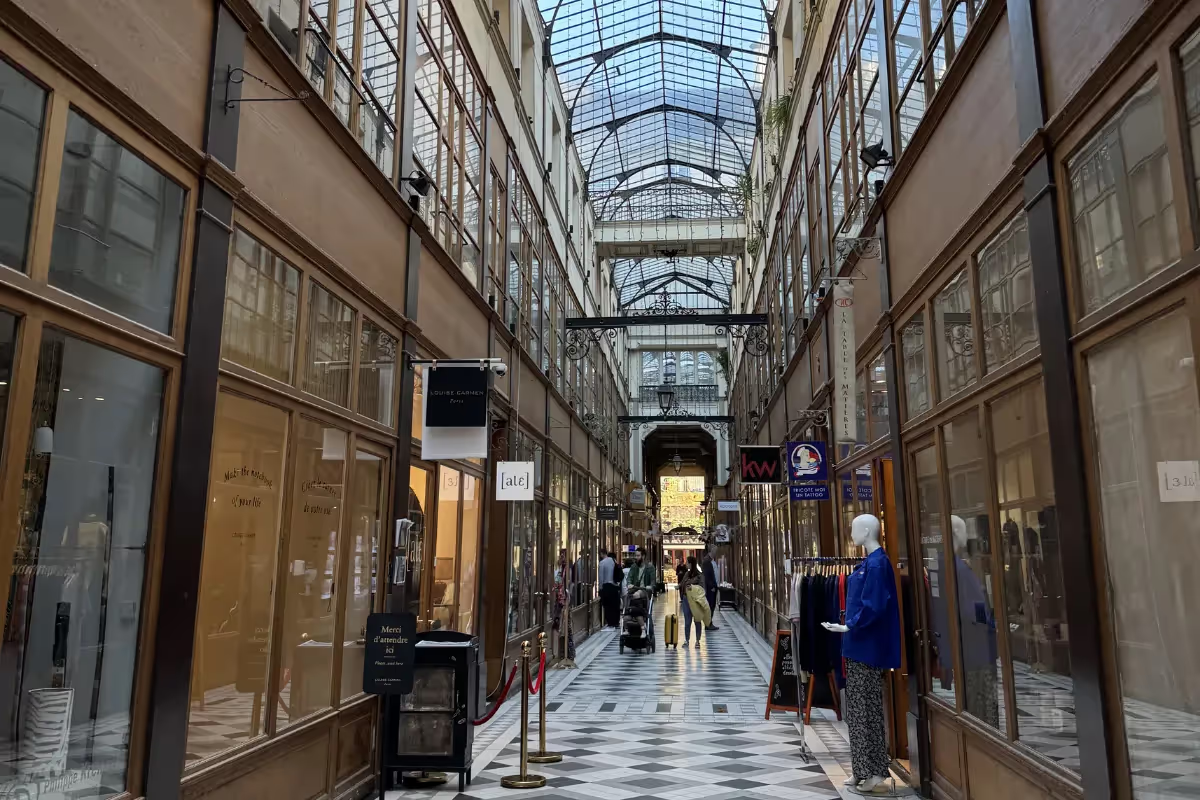
Between Nostalgia and Reinvention
Passages were built for a Paris that no longer exists. They had to survive the proof of time, and today they are part of the unique landscape that is Paris.
The covered passage becomes a link between two cities: the Paris of yesterday and the Paris of today, between memory, aesthetics, and new forms of urban wandering.
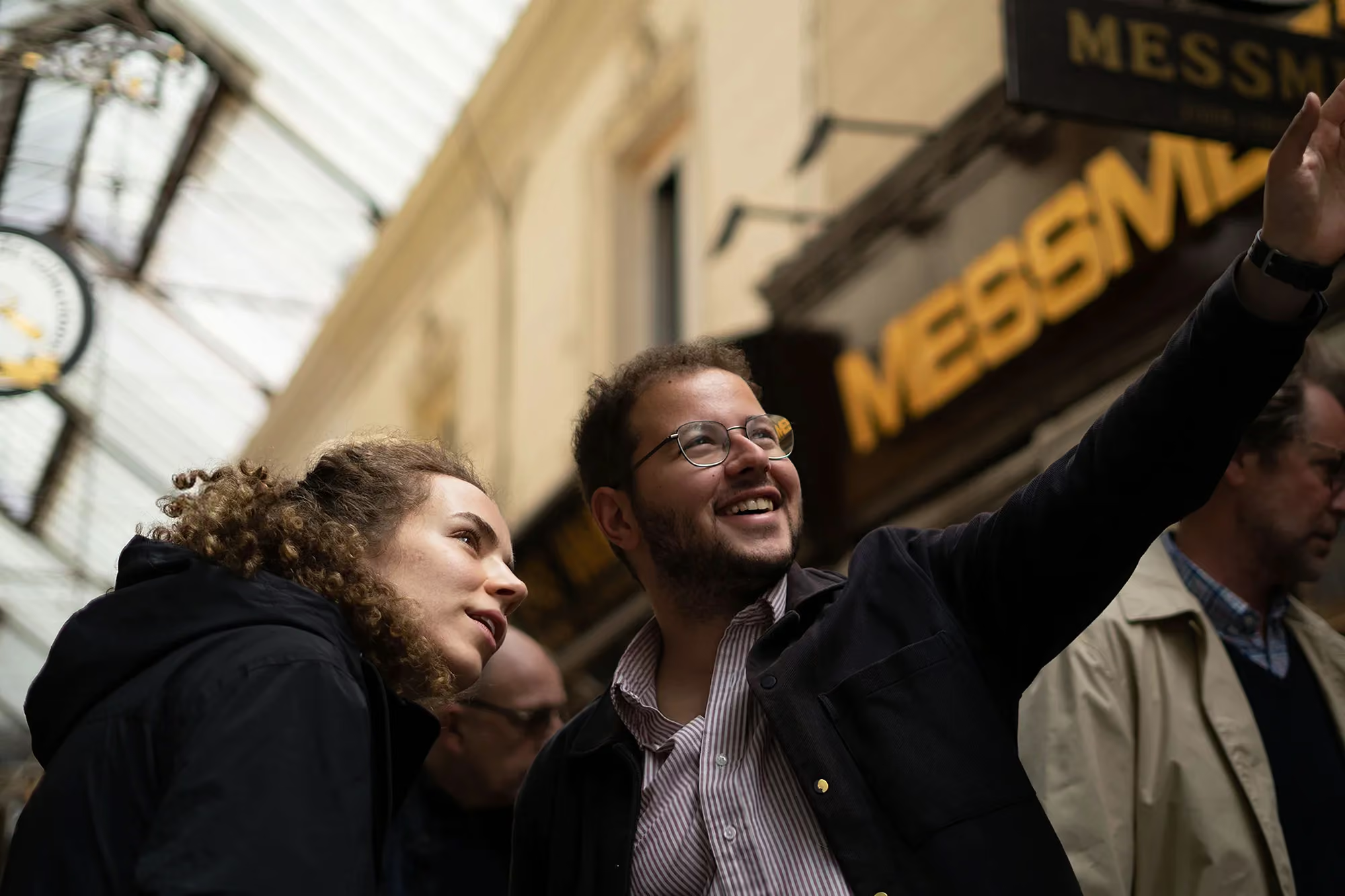
And if you want to learn more about the story of the city, book a tour with us and we'll be happy to show you the real Paris!
Want to know more about the Passages?
.png)


-100.avif)



.avif)
.svg)
.svg)
.svg)
.svg)