


In 2026, the EU is rolling out two new immigration control systems, aimed at streamlining border control in the Schengen area, the zone that allows free travel between European countries. These systems will affect travelers from visa-exempt countries, including the United States, Canada, the United Kingdom, and Australia. The Entry-Exit System (EES) is already up and running and will cause airport delays as travelers are entered into the system. The European Travel Information and Authorization System (ETIAS) requirement is set to roll out in fall of 2026, but no action is required as of spring 2026. If you're traveling to Europe in 2026, read on to learn more about these programs and learn what to expect.
Here’s an overview of the new systems, why they’re being put in place, who is impacted, and what actions travelers need to take in advance of your trip.
EES: Entry-Exit System
The EES, Europe's new electronic border control system, was introduced in late 2025 and went into full effect as of April 10, 2026.
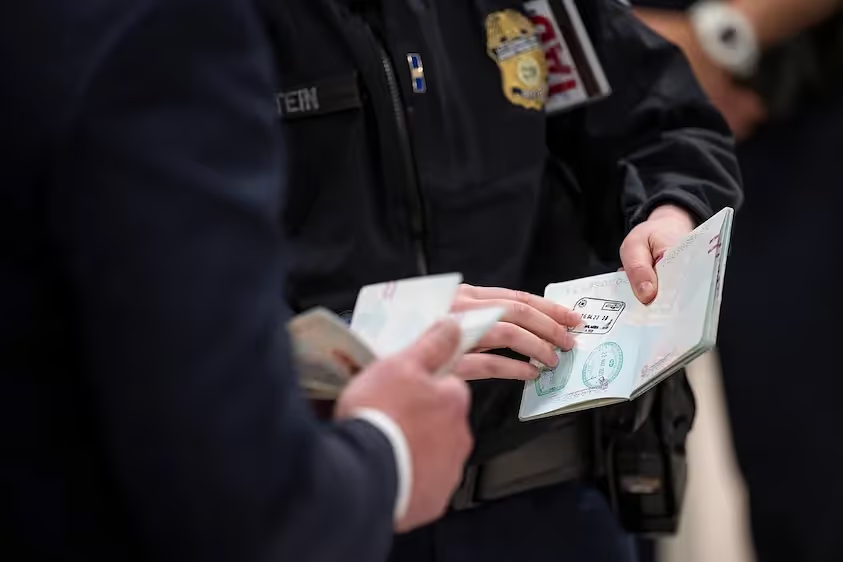
Purpose: replace passport stamps upon entry and exit of European countries. Implementing this digital system will allow European governments to automatically detect cases of overstayed visas.
Who is impacted: non-EU nationals in possession of a short-stay visa and non-EU nationals who are not required to obtain a visa for a stay of maximum 90 days over a 180-day period.
Validity: the EES applies to all 29 participating European countries, and the 90-day limit applies to your stay in the EU as a whole.
What travelers need to know: If you are traveling to Europe for the first time since the launch of EES, your face and fingerprints will be scanned as you pass though border control and kept on file. Your passport will not be stamped, except if you are entering or exiting Europe via Ireland or Cyprus. For travelers over 12 years old, biometric data including facial image and fingerprints (for visa-exempt travelers) will be registered and stored in the system.
Actions: No action is needed in advance of your trip. However, be prepared to experience longer-than-usual wait times at your destination as this program gets up to full speed. As most travelers this summer are being registered for the first time in the system, expect passport control lines to be much longer than usual and arrive at European airports well in advance of your flight.
ETIAS: European Travel Information and Authorization System
The ETIAS is a travel authorization, much like (but not technically) a visa, that travelers will need in order to enter the Schengen zone. The ETIAS requirement is projected to go into effect during the last quarter of 2026. As of June 2026, NO ACTION IS REQUIRED for travelers to Europe.
Purpose: new requirement for travelers to 30 European countries from visa-exempt countries.
Who is impacted: nationals of countries not required to apply for a visa to visit Europe, including the United States, Canada, the United Kingdom, and Australia.
Validity: 3 years or until current passport expires, whichever comes first.
What travelers need to know: this visa should be applied for well in advance of your trip. Most applications are processed instantly, but if you are asked to provide additional information, it could take up to 30 days. For this application, you will need a valid travel document, such as a passport. Ensure your travel document is valid for three months past your intended departure date.
Actions: No action is required at this time. If you plan to travel at the end of 2026 or afterwards, keep in mind that you will need to apply for ETIAS. Besides your travel document, you will be asked to provide personal information, information about your occupation, and details of your travel plans in Europe. The ETIAS authorization costs 20 euros, but travelers under 18 and over 70 are exempt. For more information on how to apply and fee exemptions, visit the official EU website.
Remember to only use the official website when applying for this authorization.
Follow our Parisian adventures!