

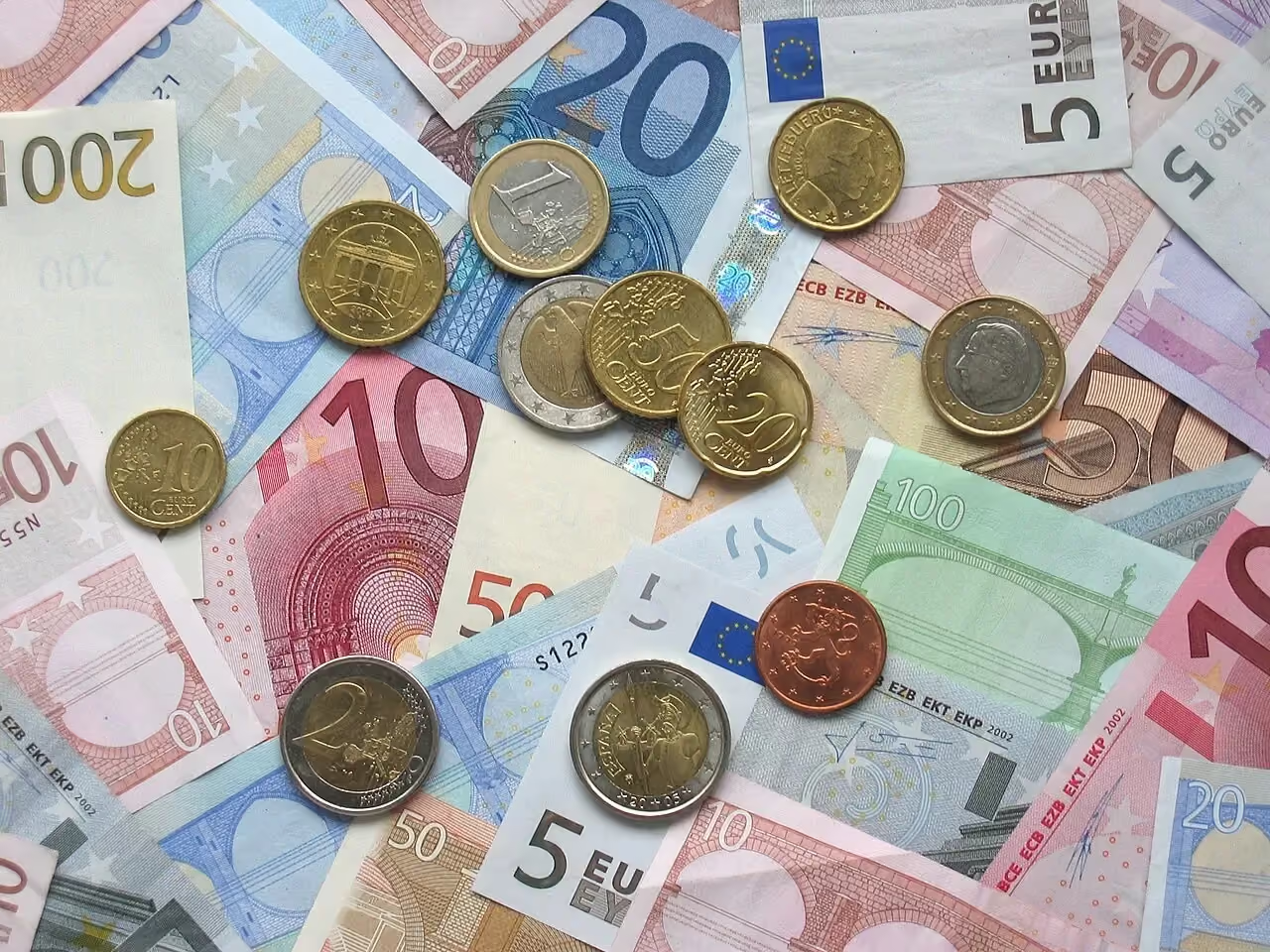
Wondering if you should take out cash for your trip to Paris? Most purchases in Paris can be made by bank card, but there are a few exceptions. I’d advise visitors to get about 50 € in cash to keep on you, ideally in 10 € or 20 € notes. Here’s a breakdown of where cash might be useful during your trip, and some helpful tips for paying for transport, getting cash, and communicating with locals when you make a purchase.
Where you might need cash in Paris
Restaurants & Cafés
Most restaurants and cafés in Paris accept card payments. However, some may accept payment by card only above a certain "CB," or carte bancaire minimum, often 5 € or 10 €. If you’re just stopping for a quick coffee, some small bills or coins will come in handy.
Markets
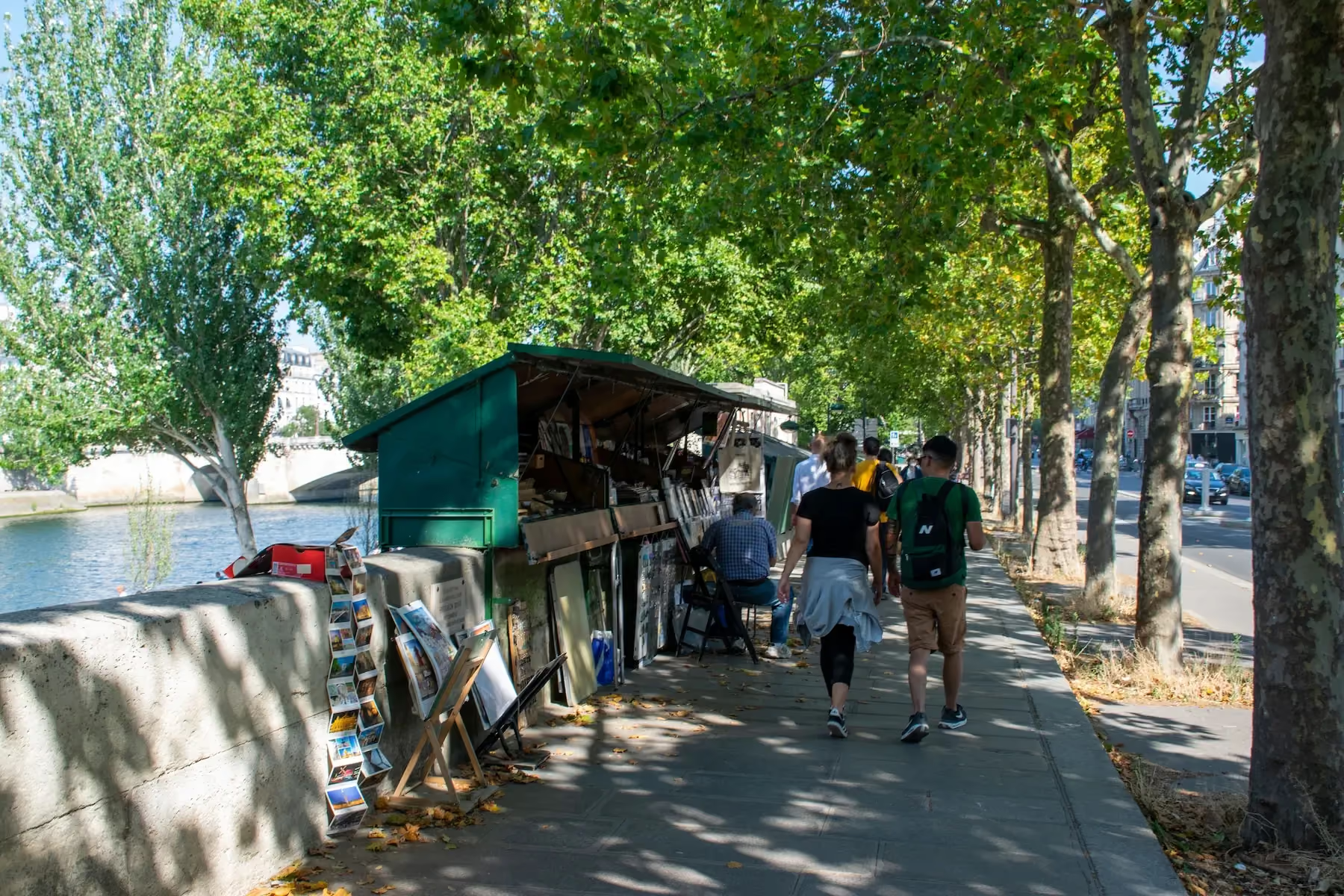
Paris has multiple outdoor markets every day that you might run across. If you’re in the mood for a picnic or you want to browse the wares at a flea market, or pick up a postcard from a bouquiniste stand, it can be necessary, or sometimes just easier, to pay in cash.
Street food
You might want to grab a quick bite from a crêpe stand or ice cream cart around Paris, and cash will be your best bet. Credit card machines often need Wi-Fi to function, which can be spotty on the street.
Tipping
While tipping is neither customary nor expected in France, it is not unusual for locals to leave cash tips. You may want to tip as an acknowledgement of excellent service, whether it's your waiter after a nice dinner, or your tour guide after a walking tour with Dayin!
Getting around - Paying for the Metro, bus, or taxi
Public Transit
Metro only accepts tickets on a Navigo pass: 2,55 € for a Metro-Train-RER ticket, or a Weekly or Tourist pass. The physical card, called Navigo Easy, can be purchased at kiosks inside Metro stations. You can reload these passes in Metro or RER stations, or at a tram stop. You can also download the Île-de-France Mobilités app where you can use a digital Navigo pass loaded onto your smartphone.
You can pay for a bus fare using either contactless card payment or cash, although you will not receive any change, so use small bills. A ticket purchased directly on the bus is valid for one hour and costs 2,50 €. If you have a Navigo Easy pass already, you can pre-load Bus-Tram tickets for 2,05 € apiece. Note that you cannot buy tickets directly inside a tram, but you can reload your Navigo at a tramway stop.
Taxi
All taxis in Paris are required to accept card payments. Sometimes, drivers will ask for cash, but you always have the right to pay with card. With the G7 app, you can pay for your taxi within the app using your bank card information.
Helpful tips
Use these French phrases to specify what you need:
- If you are paying in cash: “en espèces, s’il vous plaît”
- If you want to pay by card: “par carte, s’il vous plaît”
ATM withdrawals
ATMs at the airport charge high fees. Instead, get cash as soon as you get into Paris, and go to an established bank, like BNP Paribas or Société Générale. During your withdrawal, make sure to decline the conversion rate offered by the machine.
Foreign transaction fees
If your home bank charges foreign transaction fees for card purchases, you can get a digital card using Wise or Revolut. These online banks offer low-fee alternatives to traditional bank cards, and you will save money as your purchases add up. If you’re prompted by a card machine to pay in your local currency or in Euros, always choose Euros to avoid hidden transaction fees.
Conclusion
For most transactions during your trip in Paris, you'll be able to pay with a bank card, no problem. But if you want to pick up a souvenir, grab a snack, or in the worst case—your card declines!—having a bit of cash on hand will help you move through Paris more smoothly.