

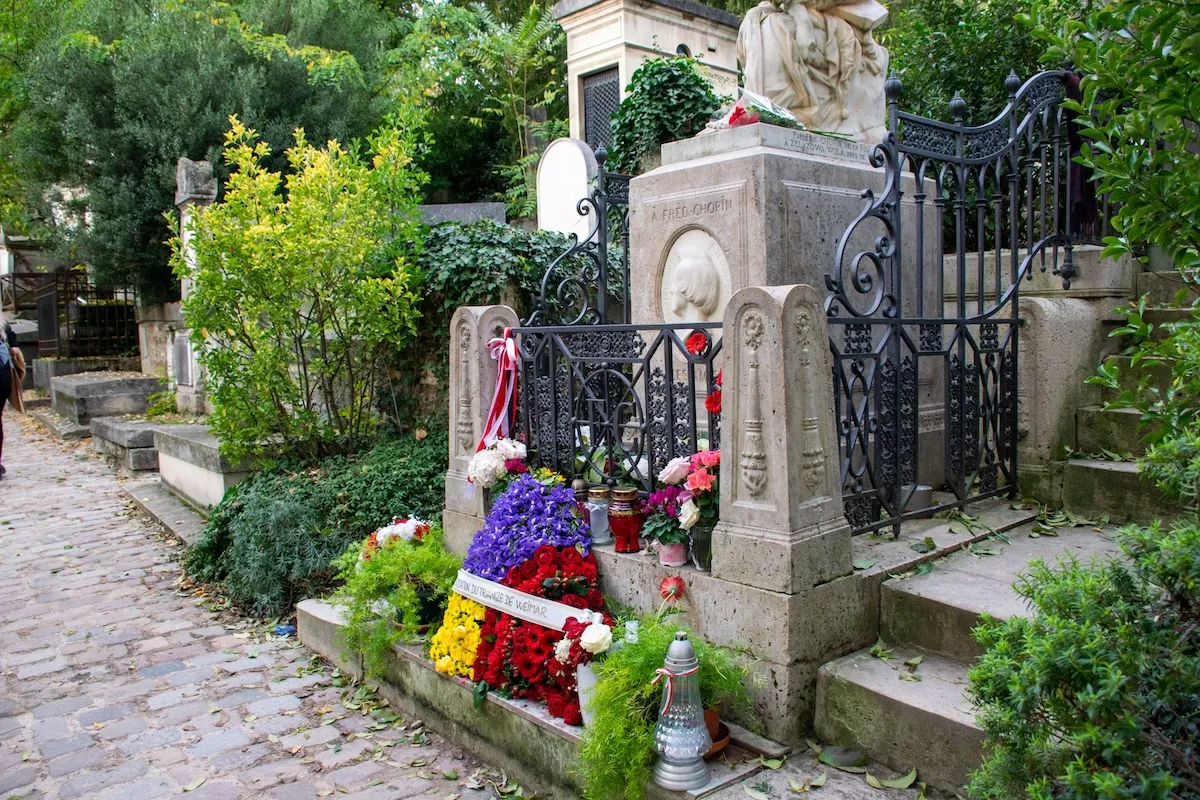
Grave markers and funerary monuments in 19th-century Paris were meant not just to be seen, but to be read beyond a name, dates, and a brief description. They served as memorials for the deceased, but also as indicators about the person, the time in which they lived, and the family who kept their memory. As you explore the Père Lachaise Cemetery, you can find these clues on the tombstones the same way generations before you have done.
From symbols from antiquity to opulent displays of wealth—even in death—to elaborately carved tombs and modern minimalist slabs, Père Lachaise tells the story of artistic and cultural trends in Paris since the cemetery opened in 1804.
Symbols and Signs
There are some common symbols that appear on the graves in Père Lachaise, and they tell you about the people buried beneath.
- An upside-down torch symbolizes a life extinguished
- An urn draped with a veil represents mourning or grief
- A broken column mourns a life ended too soon
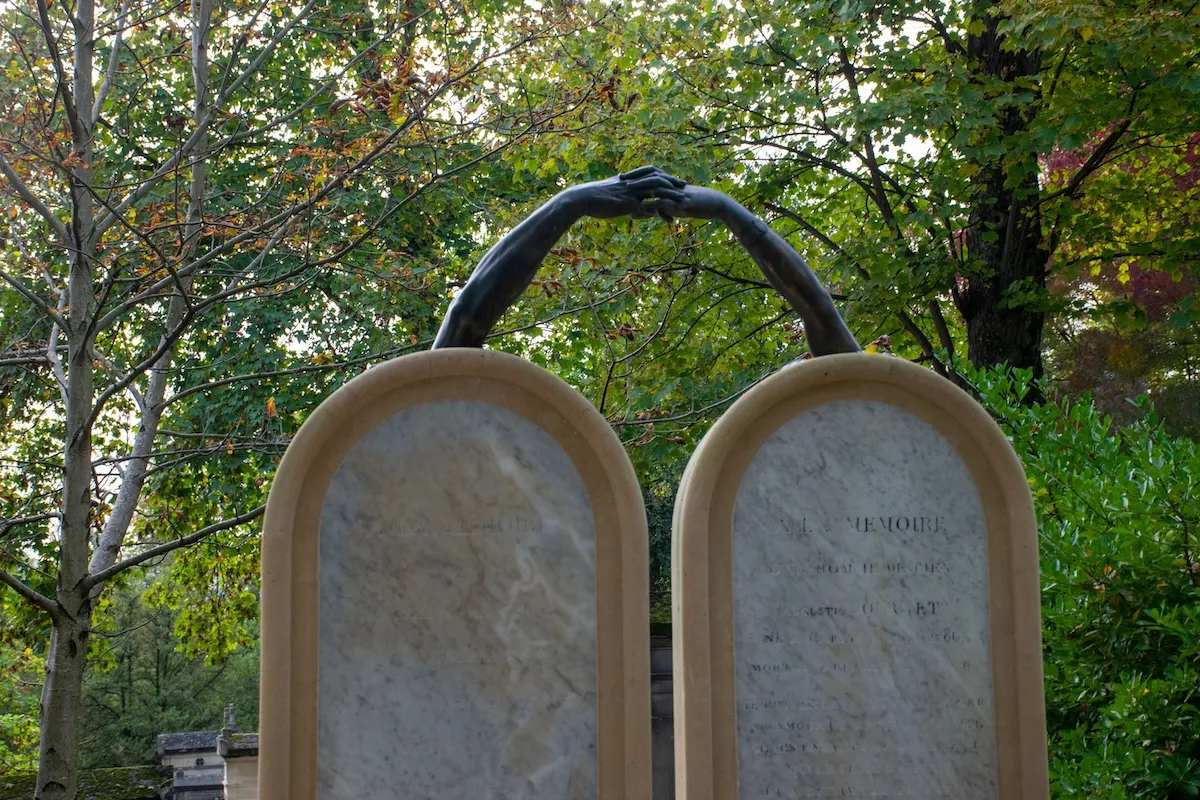
- Clasped hands symbolizes eternal love
- A gisant shows someone laying dead; they’re pictured just how the person died
- A full column adorns the tomb of someone who died normally
Artistic Trends
The architectural and artistic styles you’ll see represented among the stones show what was fashionable throughout the 19th and 20th centuries in Paris.
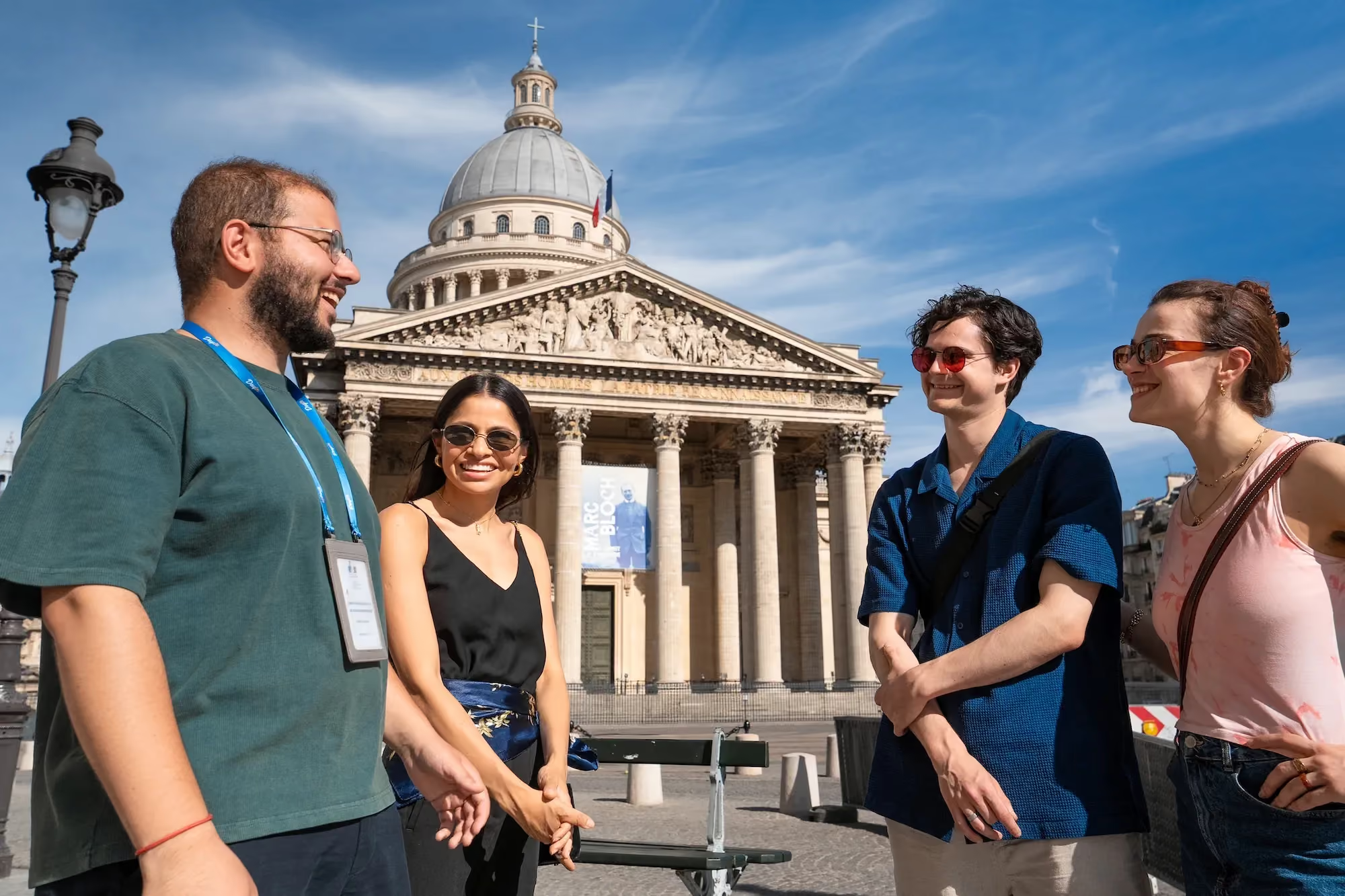
Between 1810 and 1840, just after Père Lachaise opened, sarcophagi and Egyptian motifs were popular, an effect of the strides made in Egyptology and the archaeological exploration of several pyramids. It was during this period that the Luxor Obelisk, which stands proudly in the center of Place de la Concorde, was transported to Paris, a journey that took six years.
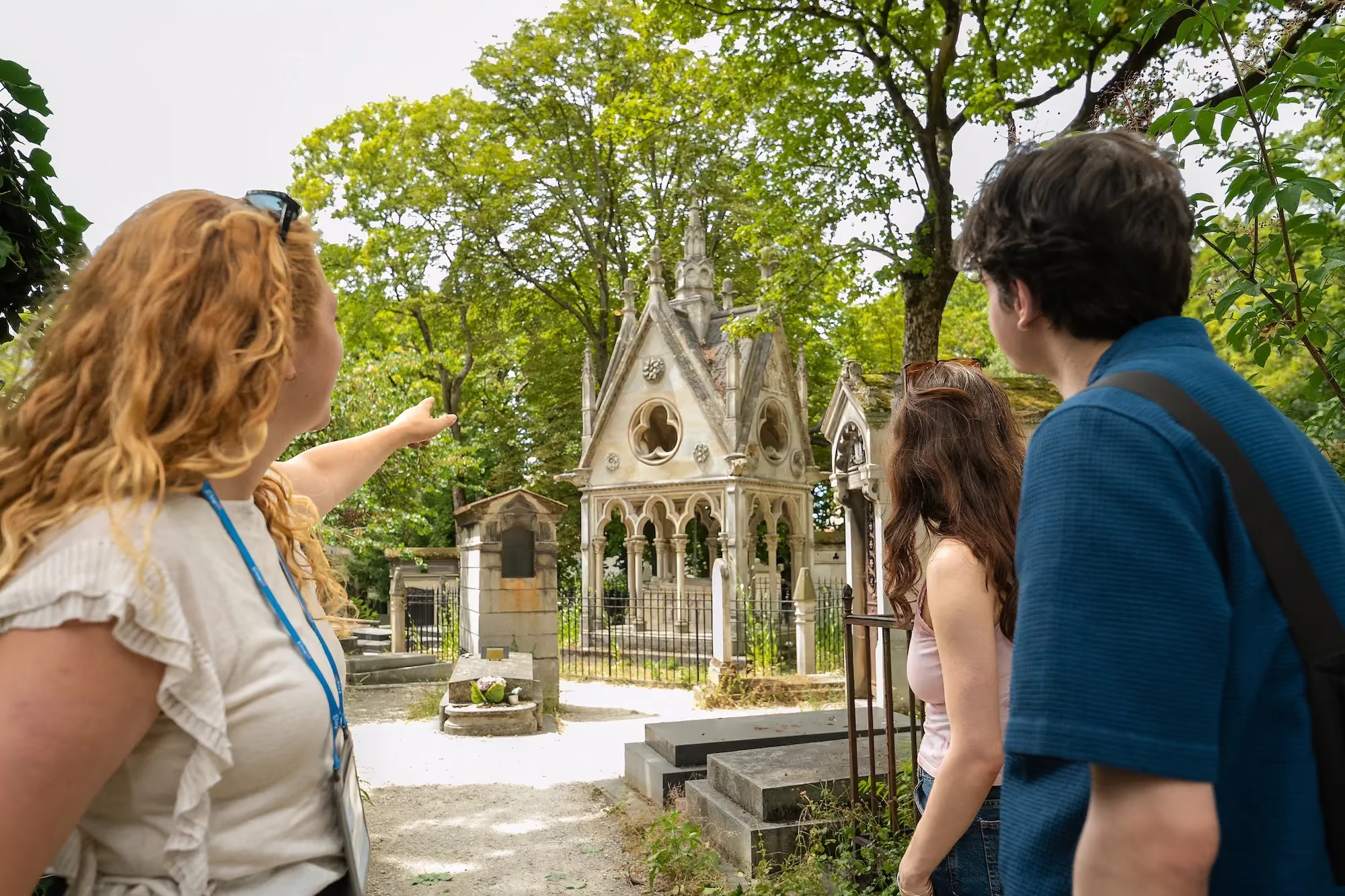
You'll also notice small funerary chapels throughout the cemetery, which were private chapels designed for families. As Paris expanded during the Second Empire (1852-1870), an emerging bourgeoisie class came up with new ways to flaunt their wealth. They built Neo-Gothic chapels complete with altars and stained-glass windows, drawing inspiration from the Medieval period, when the richest noble families had dedicated chapels inside Gothic churches.
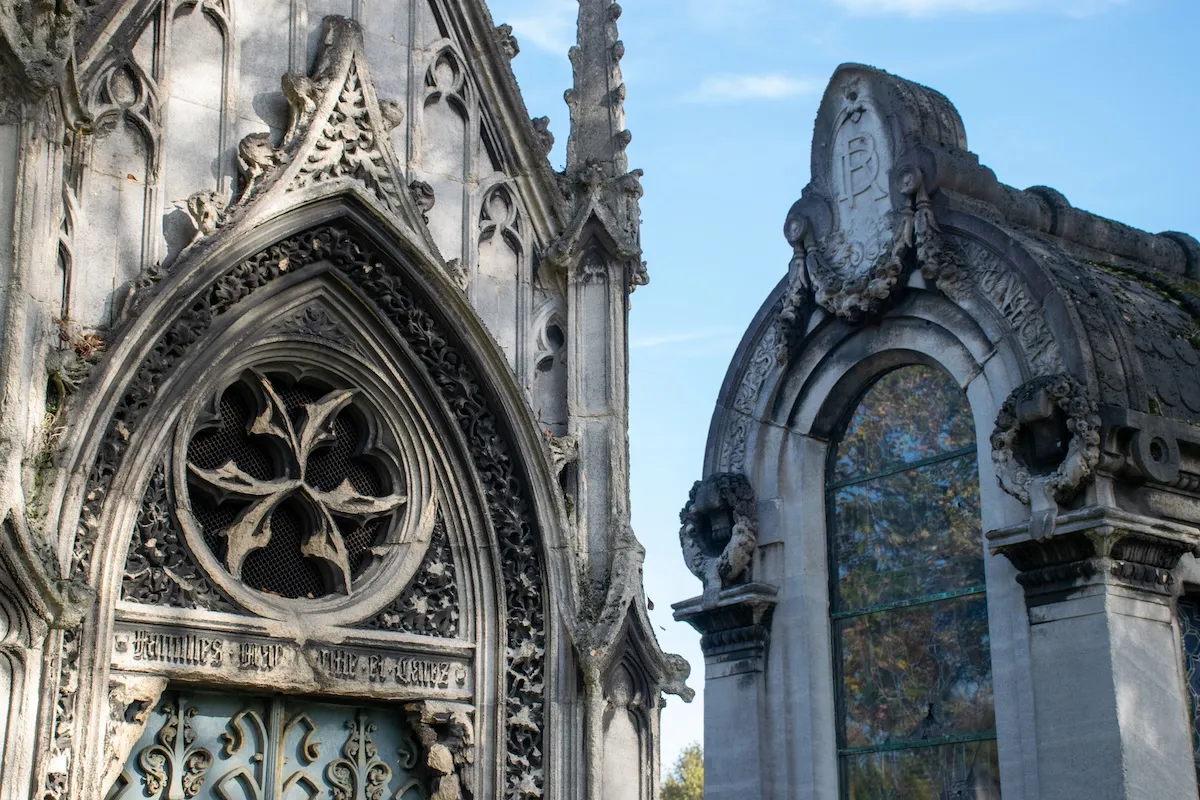
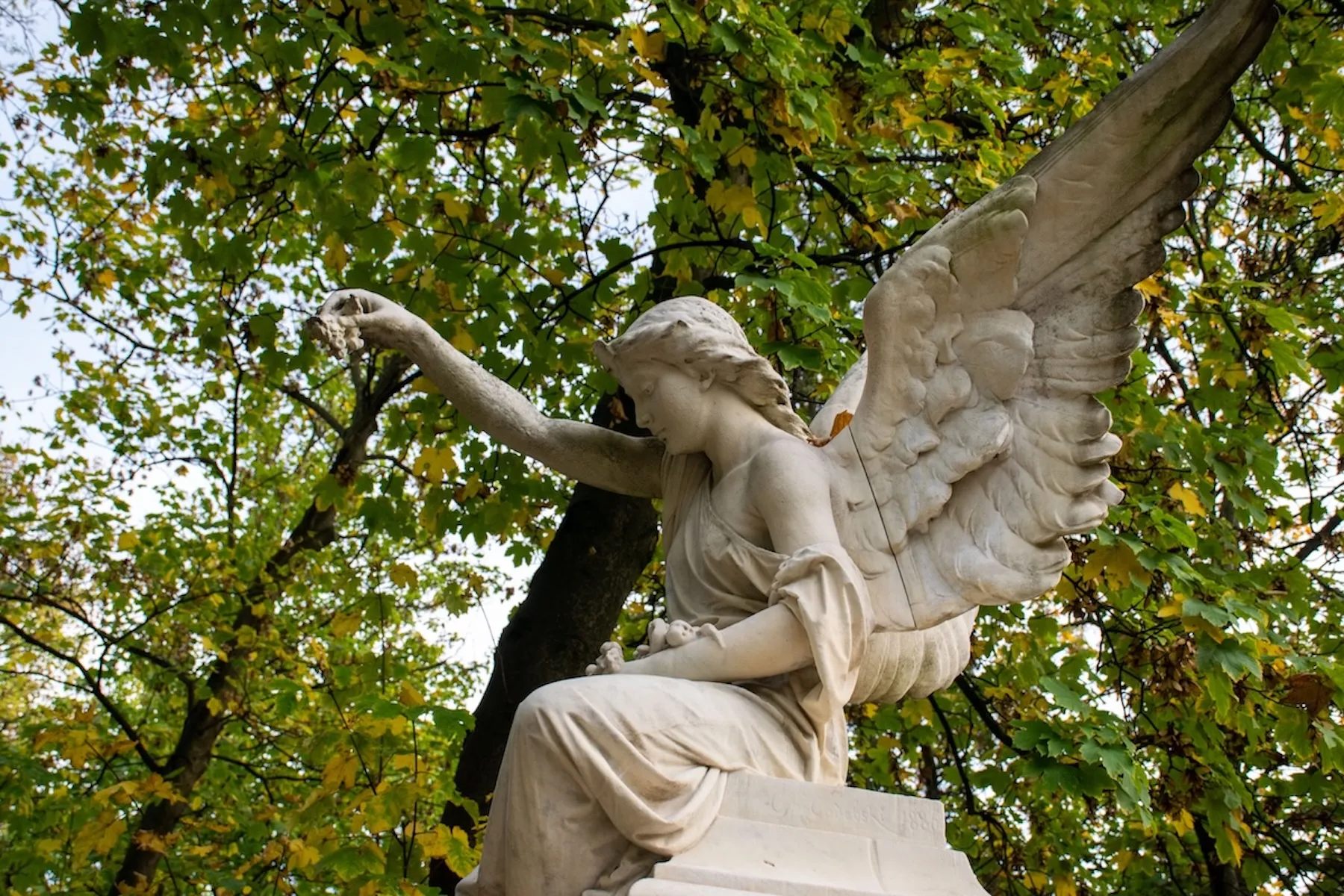
As modern art began to take shape toward the turn of the 20th century, so too did funerary art reflect new ideas. You’ll see allegorical symbols like angels, art deco and art nouveau elements, and even detailed renderings of the deceased. These trends corresponded with the Belle Époque, when industry surged, artistic movements like impressionism challenged classical standards, and thousands came to see new inventions at the World’s Fair, like the Eiffel Tower.
Want to dive deeper into Père Lachaise? Come with us on a guided tour of the cemetery! Your guide will introduce you to the cemetery and its inhabitants, like Jim Morrison, Edith Piaf, Chopin, and many more who left their mark on Paris history and culture. Book your Père Lachaise walking tour with Dayin!
Père Lachaise is more than a cemetery; if you look closely at seemingly ordinary graves, you’ll see a historical record of Paris and its people.
Follow our Parisian adventures!