
Taking a solo trip to Paris? You’re in for a great experience! Embrace the opportunity to go at your own pace. Whether you’re looking to hit the sites or just wander, to get lost among the crowds or meet other travelers. As locals and tour guides we want to share with you our top tips and recommendations to make the most of a solo trip to Paris.
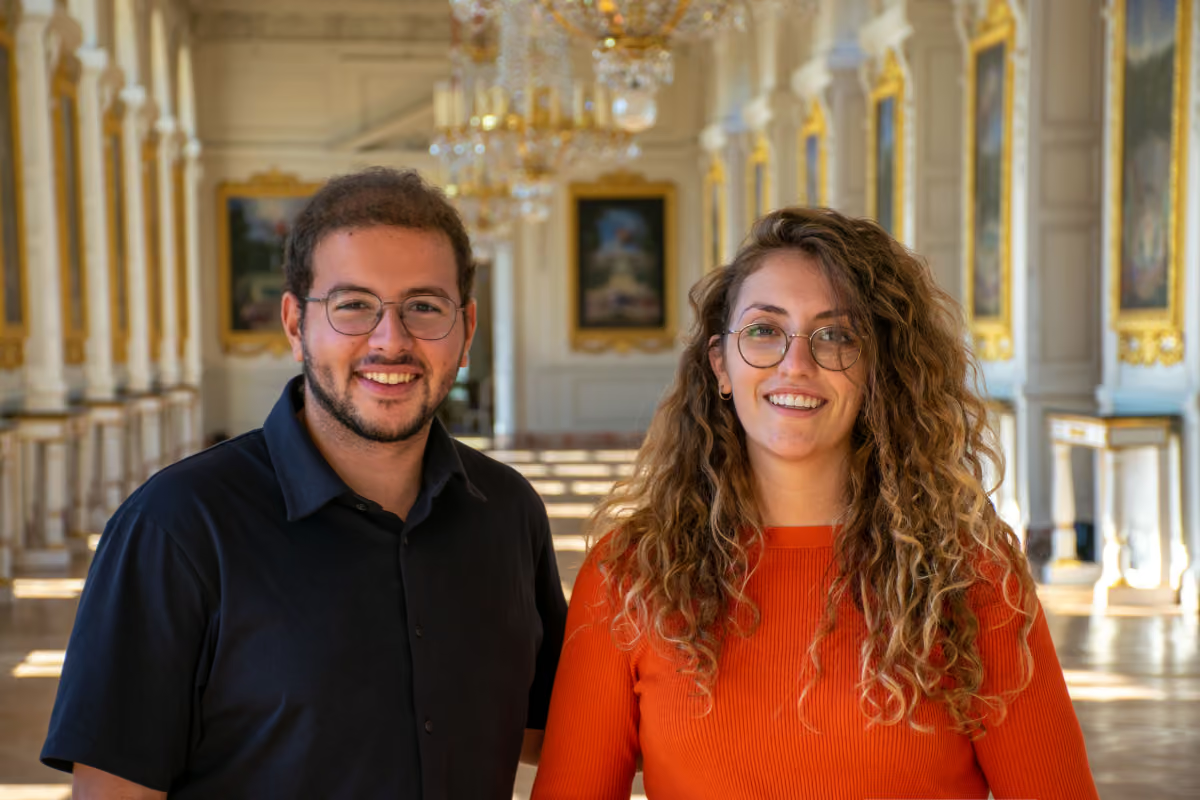
Paris is a big city made up of small neighborhoods; within its 20 districts, you will find even smaller areas to explore and enjoy. Wherever you stay, make it your home away from home! As a solo traveler in Paris, you can create a sense of familiarity during your trip by choosing a “regular” café or boulangerie to start each day.
Paris is a dense, walkable city with a robust public transit system that makes it very easy to get around! You can reach the center of Paris directly from Charles de Gaulle Airport in about 45 minutes via the RER B, part of the regional train system.
Within the city, use theMetro system to zip around; most sites are less than 30 minutes from each other. It’s one great way to get your bearings and make the most of your time.
Learn these key French words to immediately break the ice with shopkeepers and other locals you meet.

Hello: Bonjour (use Bonsoir in the evening)

Please: S’il vous plaît

Thank you: Merci

Goodbye: Au revoir
Enjoying cafés, parks, and restaurants alone is considered very normal in Paris, and you will see plenty of people dining or sitting in a café by themselves. Greet the host and ask for “une table pour une personne, s’il vous plaît.”
Feel like making friends on your solo trip? Participating in social activities, such as pub quizzes, walking tours, or jazz concerts, are a great way to mingle with other visitors and locals.
Of an original 150, about 20 of Paris’s “hidden” covered passageways offer a glimpse into the Paris of the early 17th century.
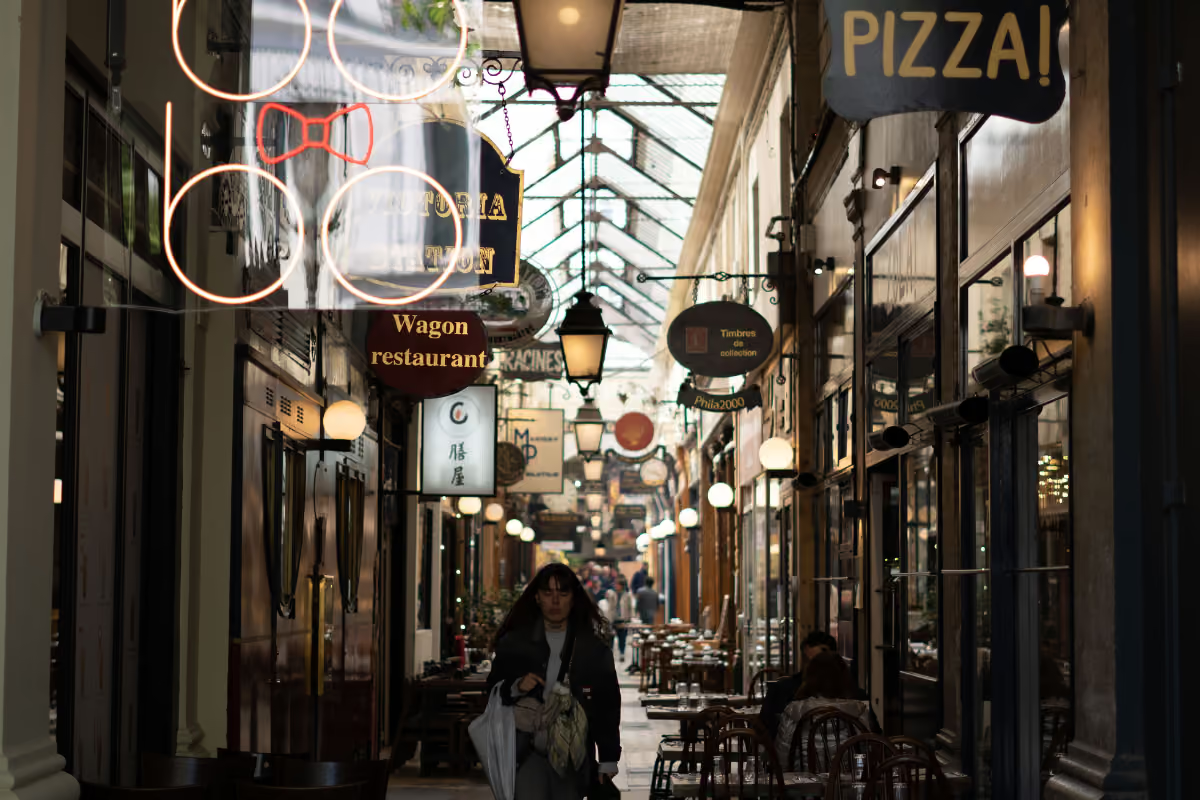
The oldest passageway in Paris, dating to 1799, boasts several quaint wine bars and restaurants. You can browse the shops selling antique postcards and stamps along your way.
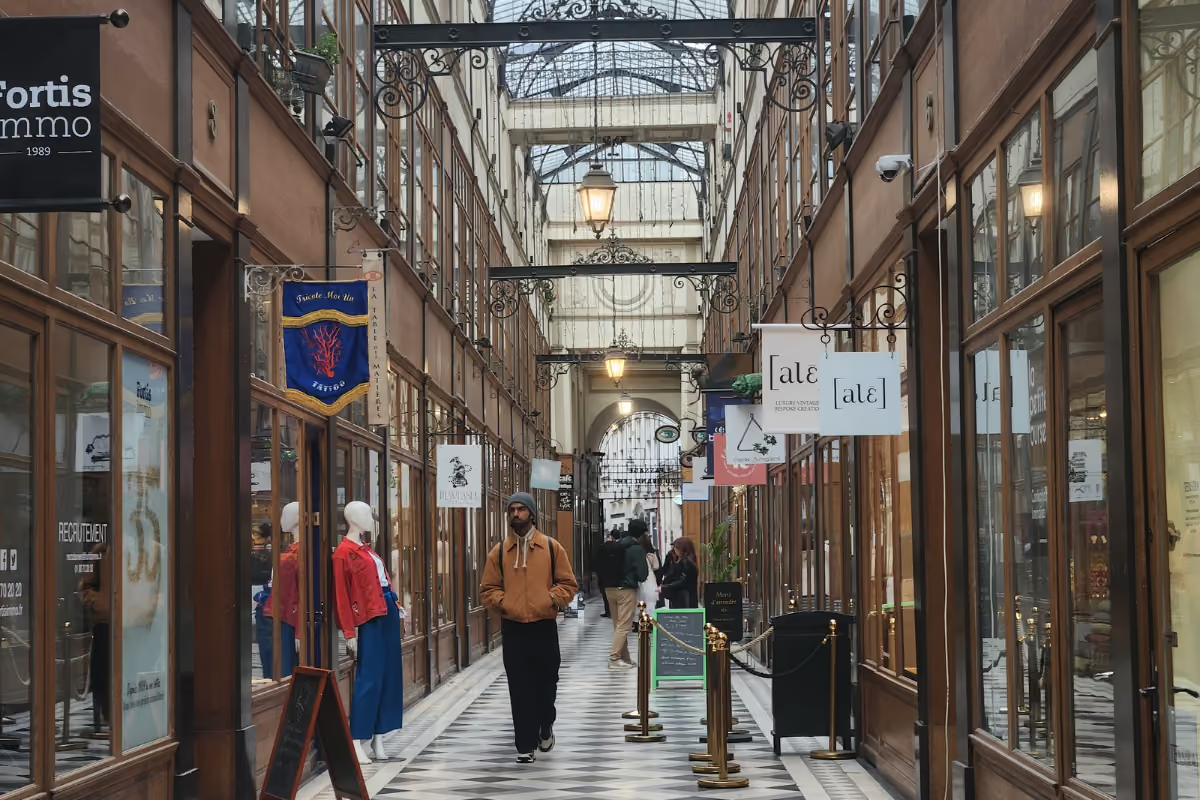
The tallest of them all, this stately passageway connects the lively Rue Saint-Denis with Rue Montorgeuil, a historic restaurant street. Inviting boutiques and craft stores line this passageway.
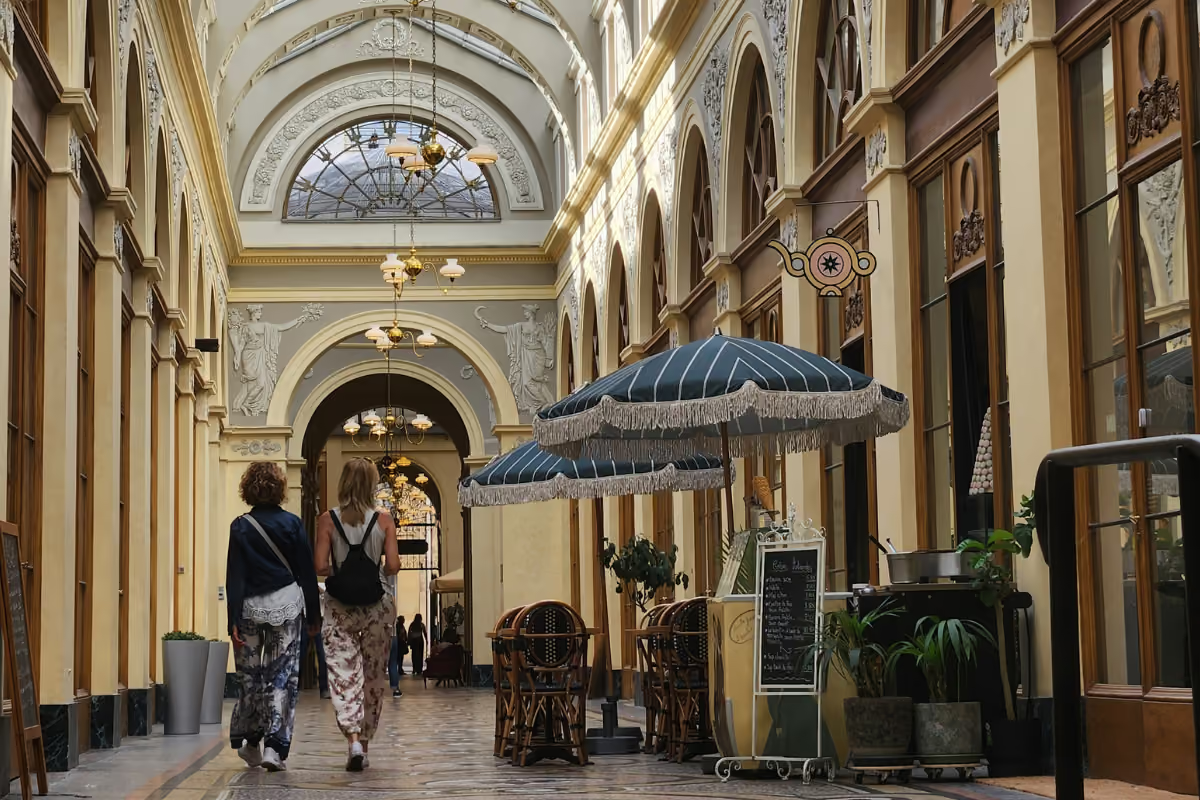
The most elegant of the remaining passageways, Galerie Vivienne is now home to antique bookstores, chic restaurants, and unusual art galleries. Check out the National Library across from the gallery entrance on Rue Vivienne.
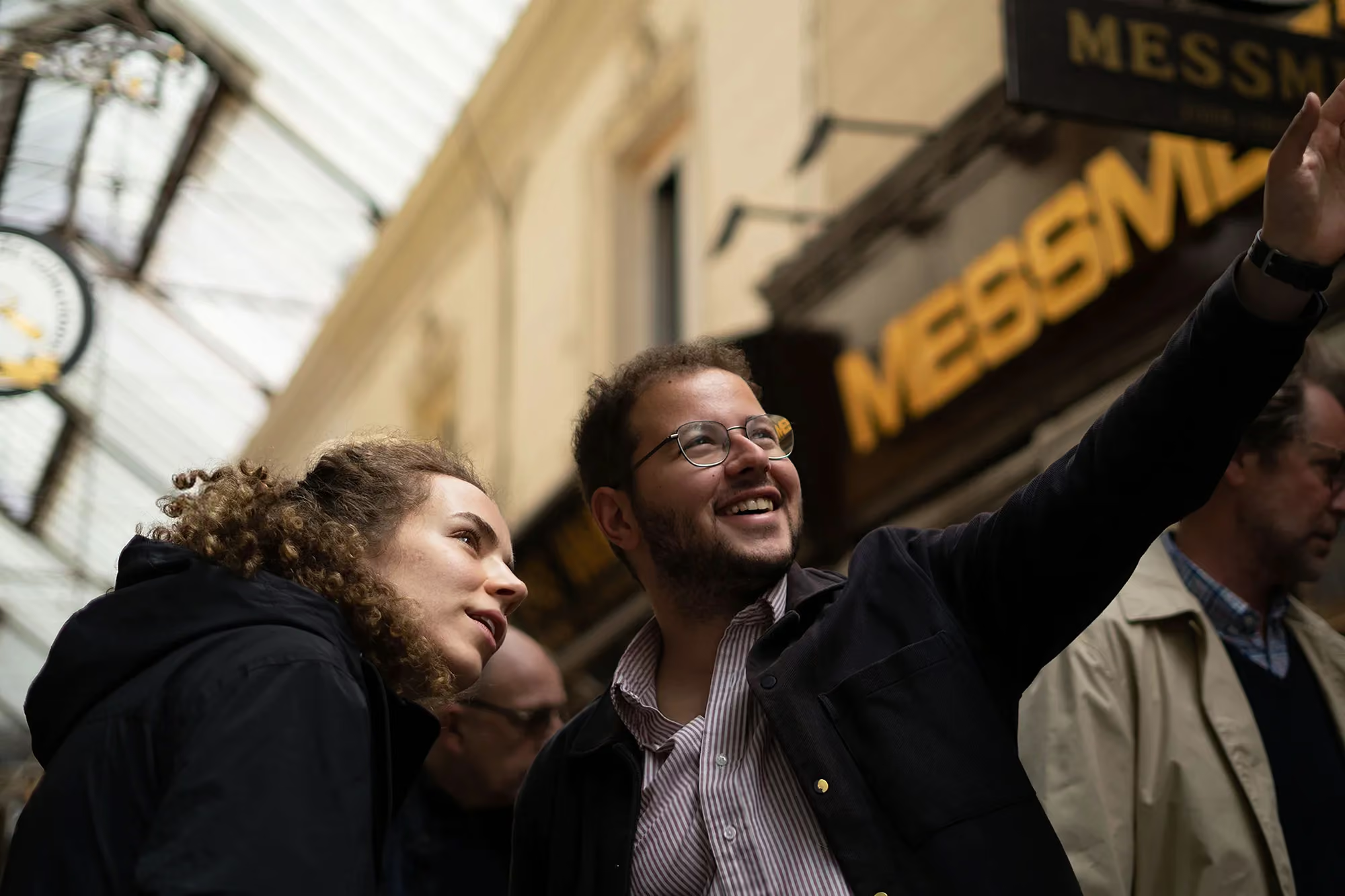





Immerse yourself in one of Paris’s many unique small museums. If you want to avoid the crowds of the Louvre or dig into history or science, Paris has a museum for you!
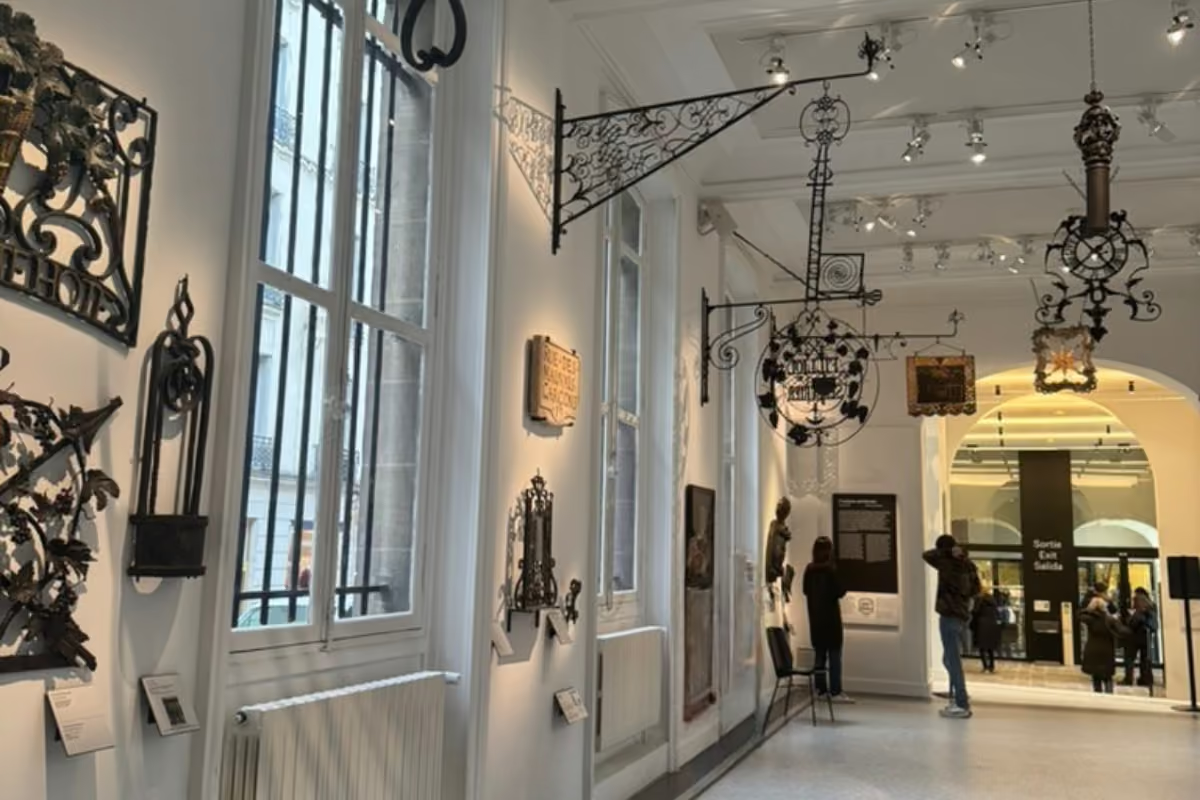
Explore the story of the city of Paris, from its pre-Roman origins to the world-class city it is today. Artefacts, paintings, and decorative items show the evolution of a world capital.

France’s national Medieval museum displays collections of Medieval art. You can still see the foundations of an ancient Roman bathhouse under this Gothic-style museum.
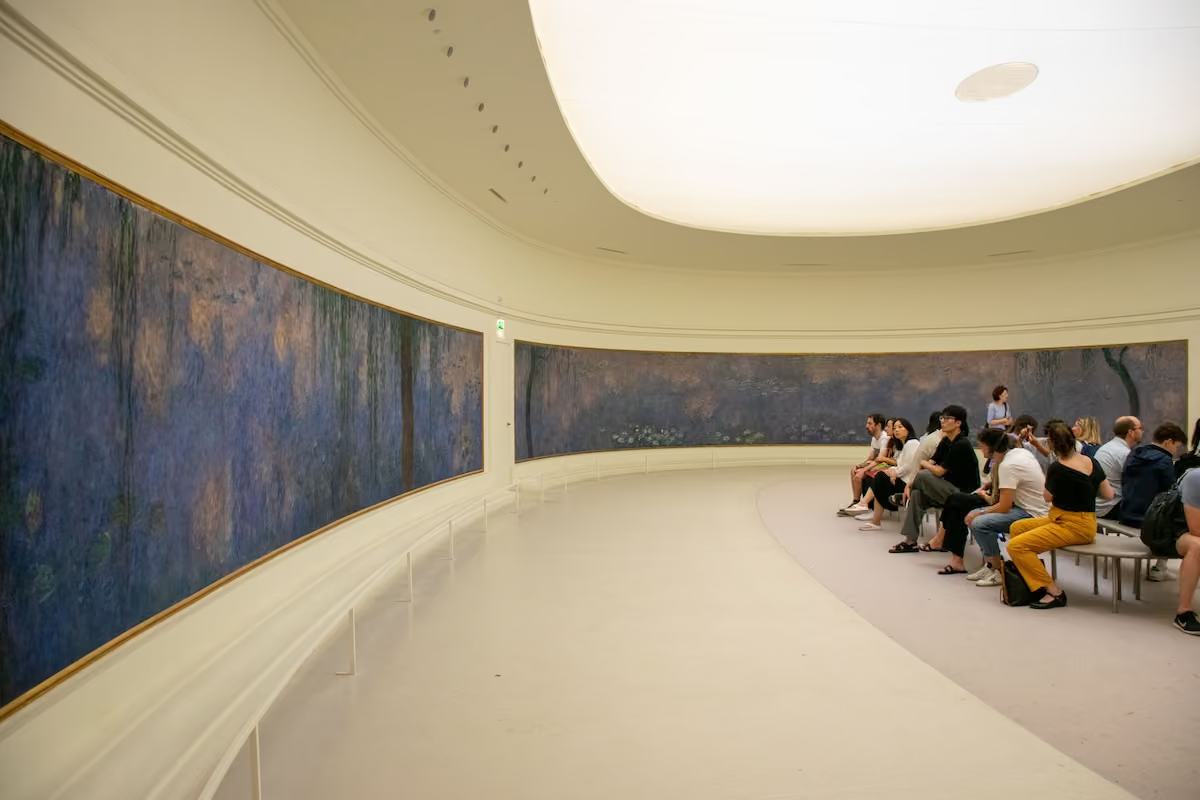
This tranquil museum houses a collection of impressionist and post-impressionist art, the crown jewel of which is Monet’s Waterlilies series, which is beautifully presented on the walls of an oval gallery.
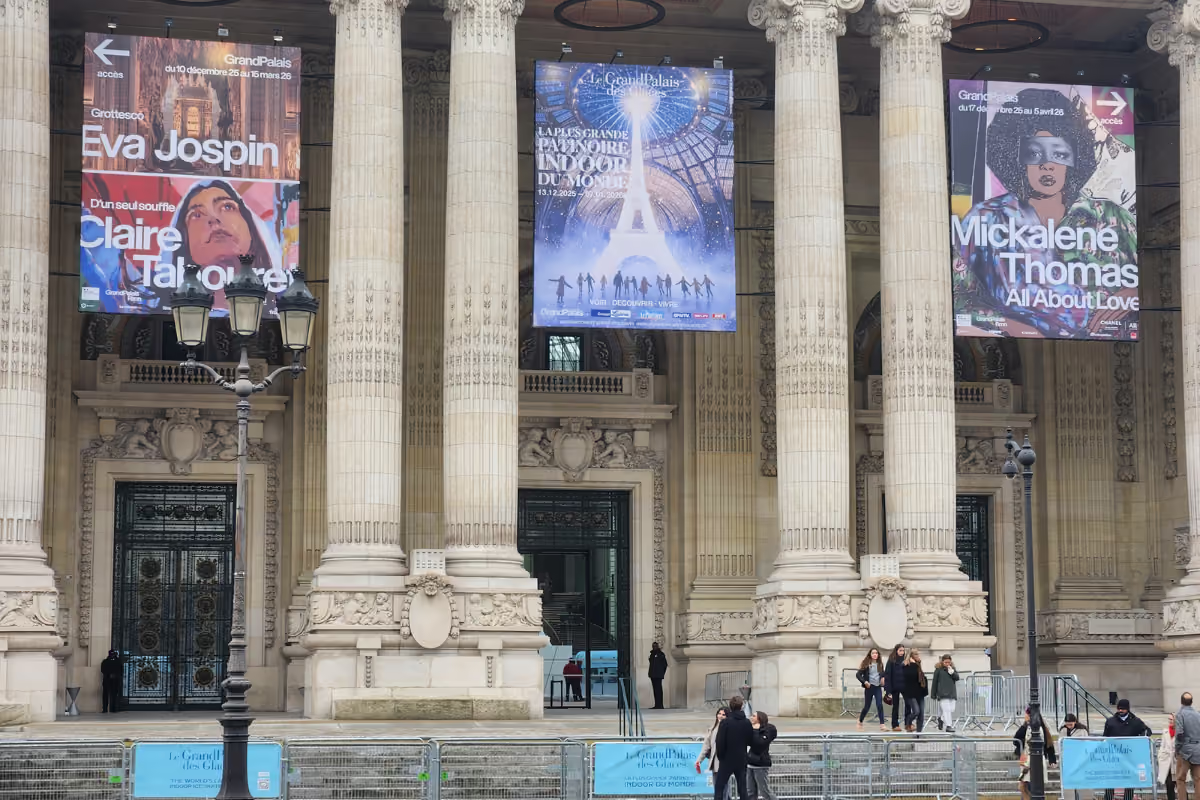
This free art museum holds Paris’s fine art collection dating from Antiquity to 1900. Explore a diverse collection, from sculpture to paintings to decorative arts and more, in a beautiful turn-of-the-century building.
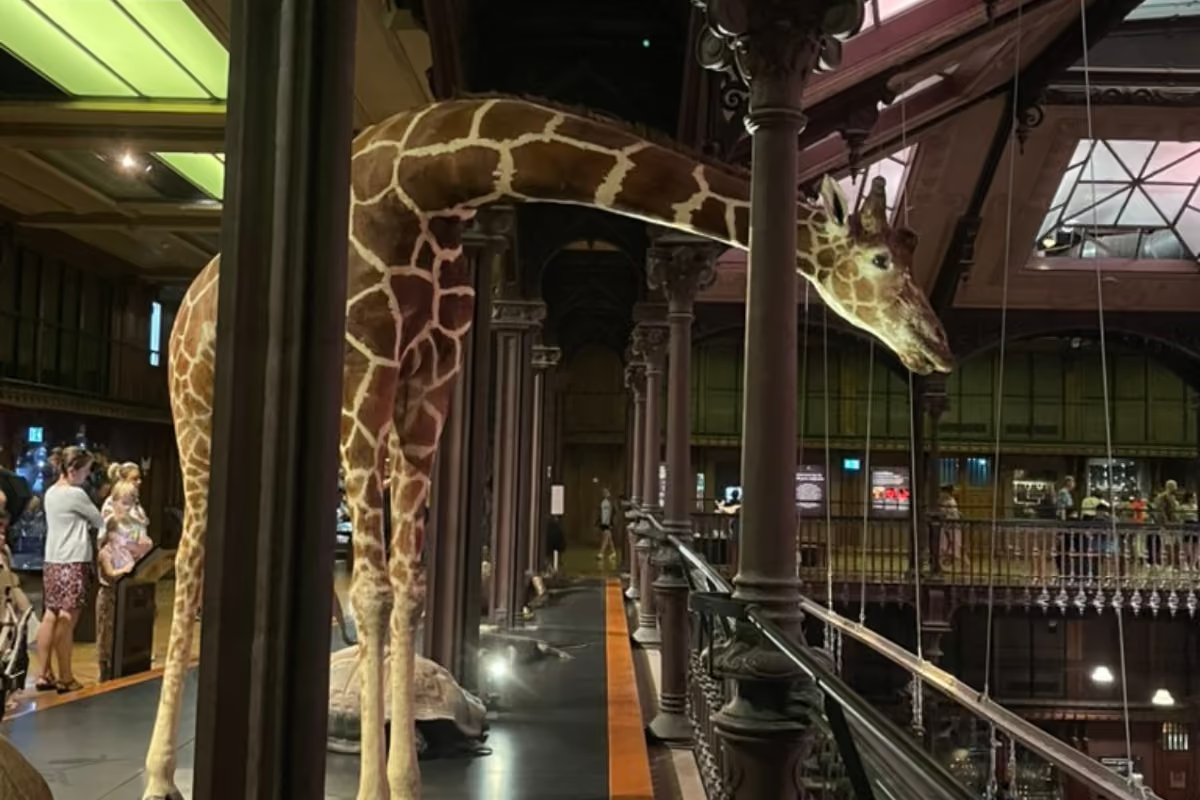
You can explore dinosaur skeletons, rare stones and fossils, and plants in the museum’s five extensive galleries, or wander the botanical garden and the former royal medicinal garden of Louis XIII.

Located in the heart of Paris’s 3rd arrondissement is Paris’s technology and industry museum. You can see early airplane models, automatons, and experiments like Foucault’s pendulum.
(French for “stroll”) along one of Paris’s dynamic pedestrian streets.
A remnant of Paris’s bustling Les Halles market, which stood for over 800 years, this neighborhood is a foodie’s paradise. Join the Parisians having a pre-dinner “apéro” at a café, try a baba au rum at the oldest pastry shop in Paris, or wander through the side streets for a quieter atmosphere.
Just steps away from the Sorbonne University, you’ll see street crêpes, bookshops, and lively bars along this road. One of the oldest streets in all of Paris—dating from Roman times—this historic neighborhood retains a youthful and dynamic vibe.
A true market street leading to a covered market, you’ll find a fairly local vibe here. Stroll around the covered Marché Beauvau and relax with a coffee or drink in the adjoining square.
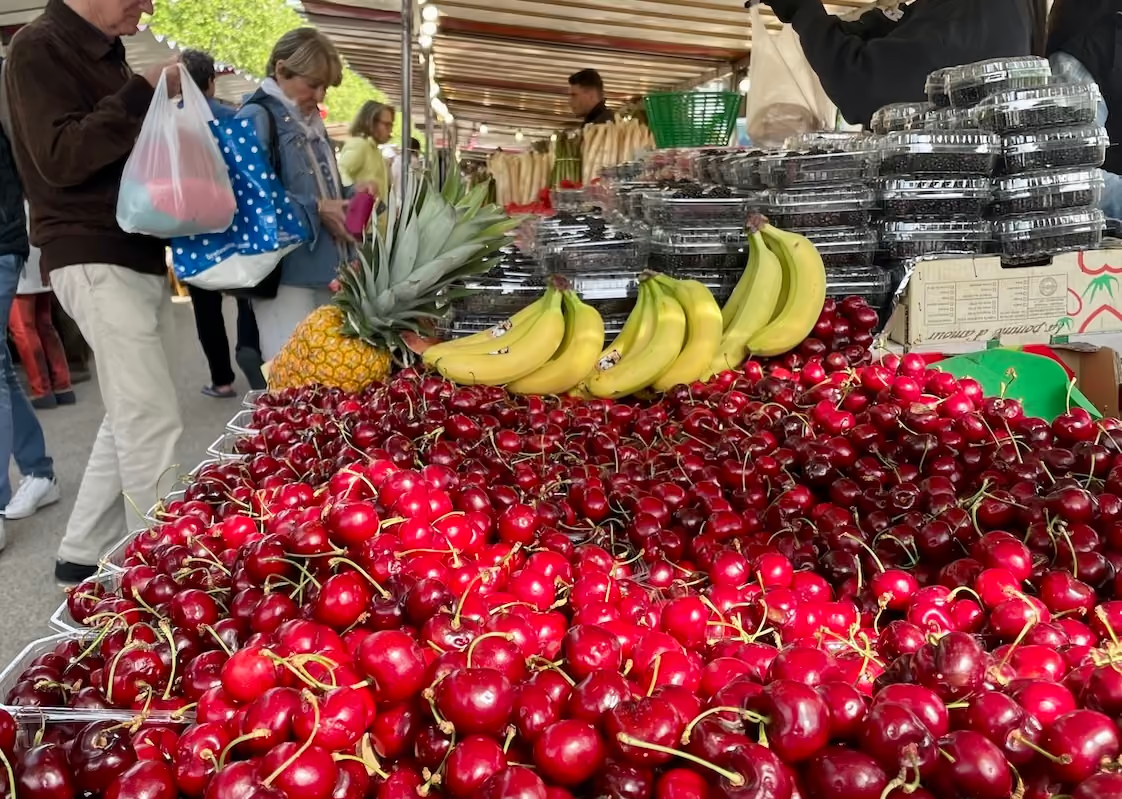
Find your local open-air market and put together a picnic. Some of our favorites are Marché Bastille (Thursdays and Sundays), Marché Maubert (Tuesdays, Thursdays and Saturdays), and Marché Saxe-Breteuil (Thursdays and Saturdays).
Then, take your goods to a nearby park or the banks of the Seine for a delicious picnic! Visiting a Parisian outdoor market is a great way to practice your French, sample local products, and mingle with the residents of the neighborhood.

Pro tip: bring a bit of cash and a reusable tote that you can stuff in your day bag to carry market purchases!
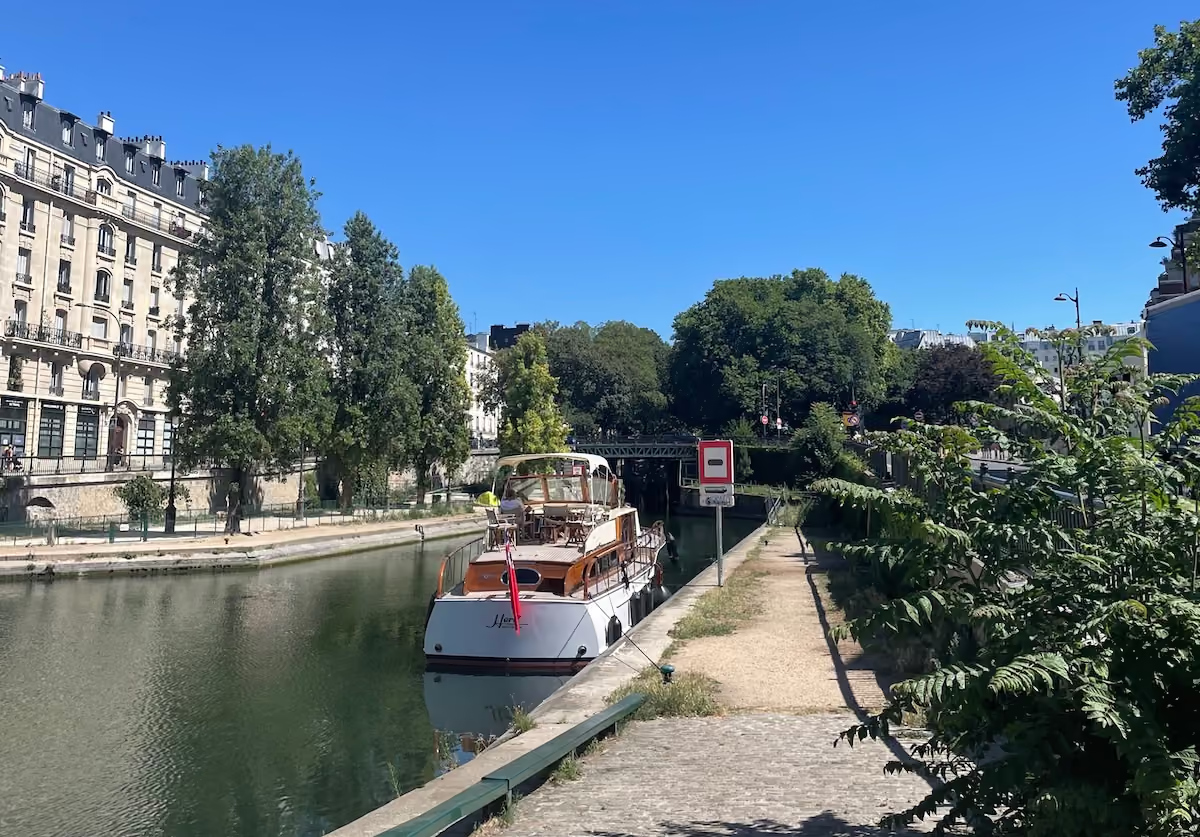
If you’re looking for a local, less-crowded alternative to walking along the Seine, check out Paris’s canals. Originally built to facilitate trade from Paris’s industrial neighborhoods, these leisurely waterways are now hotspots for dining, nightlife, and local character.
Accessible from République Square, you can follow the Canal Saint-Martin all the way to La Villette, a vast park with museums and performance spaces in the northeast corner of Paris. Along the way, stop to watch the locals having a picnic or playing pétanque, or drop into one of the many animated bars and restaurants that line the canals.
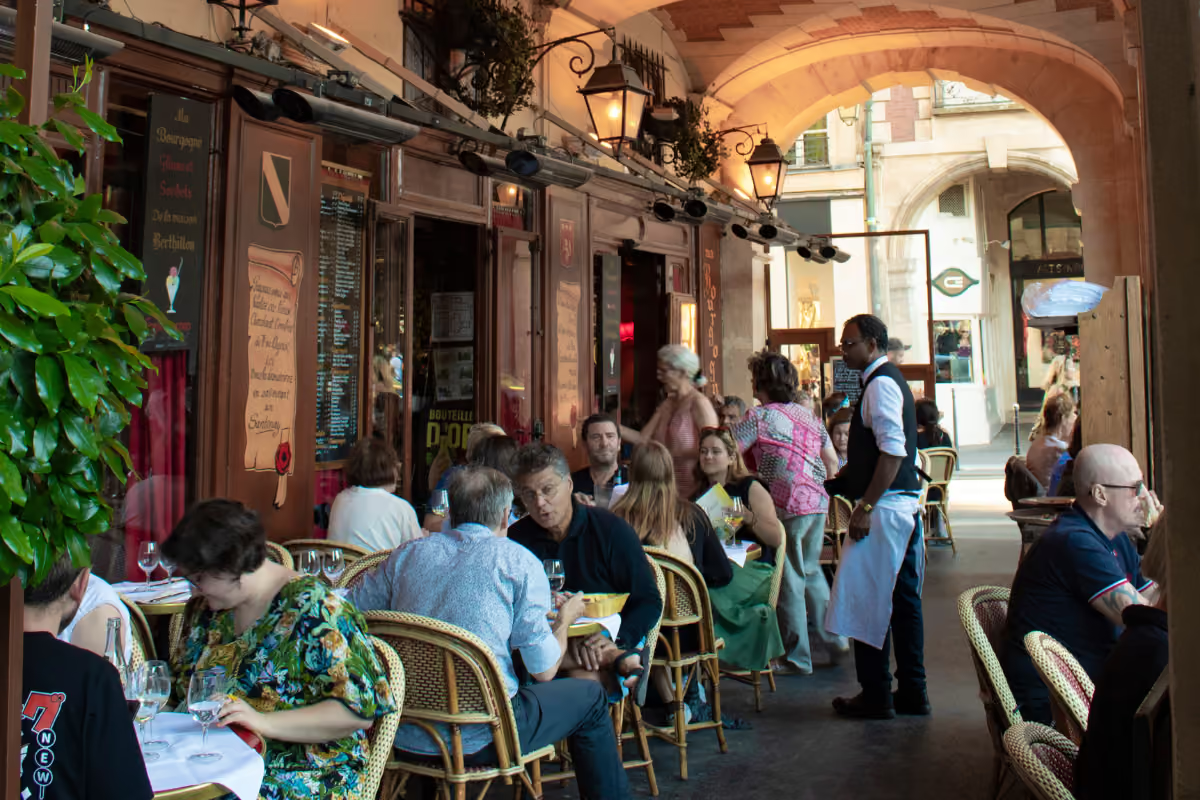
This fashionable neighborhood retains traces of Paris’s medieval history and is a trendy shopping, restaurant, and nightlife district. Located on the right bank, you can reach sites and museums very quickly on the Metro or even walking. Several of the 17th-century mansions built in this area are now museums.

Often overlooked, this neighborhood can be a great option in part because it doesn’t have many sites, but is very well-connected from Montparnasse Metro station. You’ll find a more local, even residential vibe in this area, including market streets like Rue Daguerre, lively theaters on Rue Gaîté, and the peaceful Montparnasse cemetery.
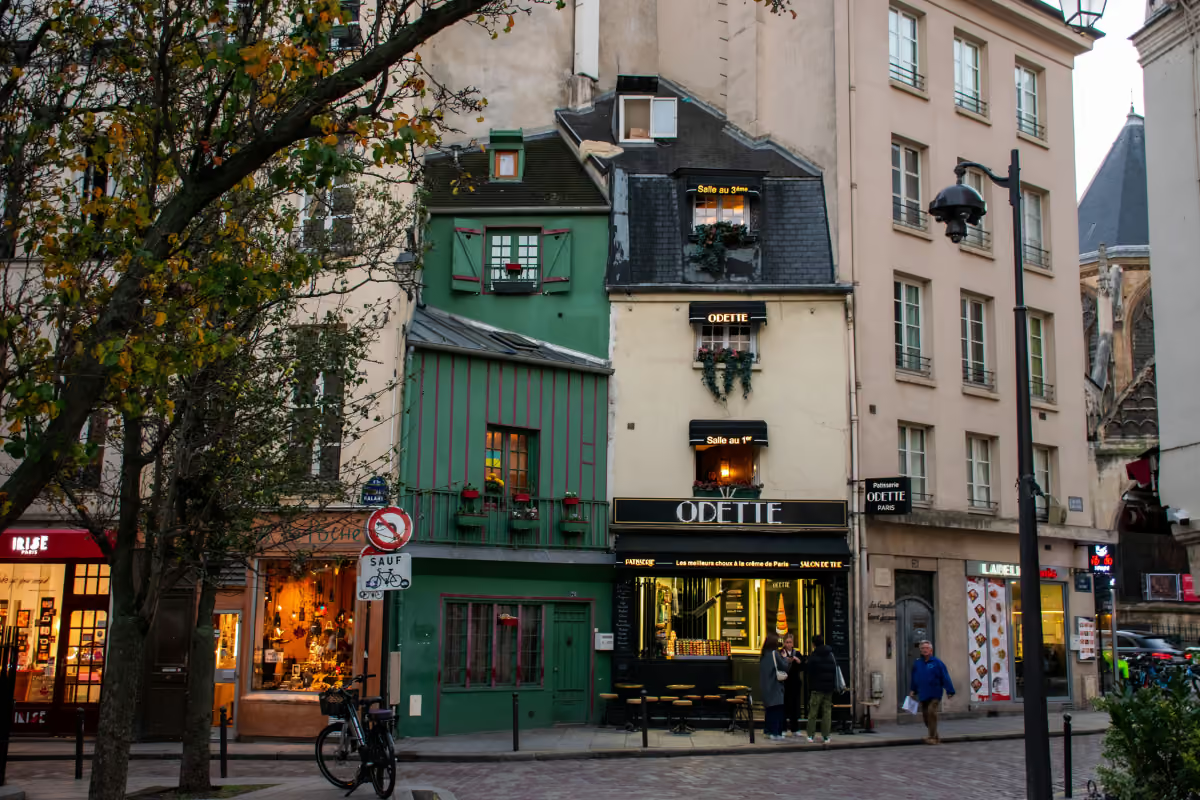
A great neighborhood for nightlife and cheap eats, Paris’s university district is young, lively, and a practical base from which you can explore the Île de la Cité, Pantheon, and literary neighborhood of Saint Germain des Prés. Architectural traces of Paris’s history from Roman, Medieval, pre-Revolution, and modern times are all visible in one of the city’s oldest districts.
Whether you’re visiting Paris to delve into art and history, sample delicious local food, or just enjoy the ambiance, Parisian-style, you are guaranteed to have a fulfilling solo trip to Paris.

Paris is generally a safe city for solo female travelers. Take safety precautions like keeping your valuables in a closed bag, staying aware of your surroundings, and trusting your gut. Stay on well-lit streets, and be firm if approached by a stranger, using “Non, merci” and going on your way.
Most people you interact with in Paris will speak some English, but using a few key French words and phrases will go a long way in elevating your experience with locals. Always say “Bonjour” “S’il vous plaît” and “Merci”. Check out these helpful French phrases to practice before your trip.
Paris hostels are generally safe for solo travelers. Most have secure lockers for valuables (bring a padlock if you have one, as not all hostels provide them).
The Paris Metro is safe for residents and visitors alike. As in any big city, we recommend that you stay alert and keep your belongings secure and close to you. Read our guide to navigating the Paris Metro system.