



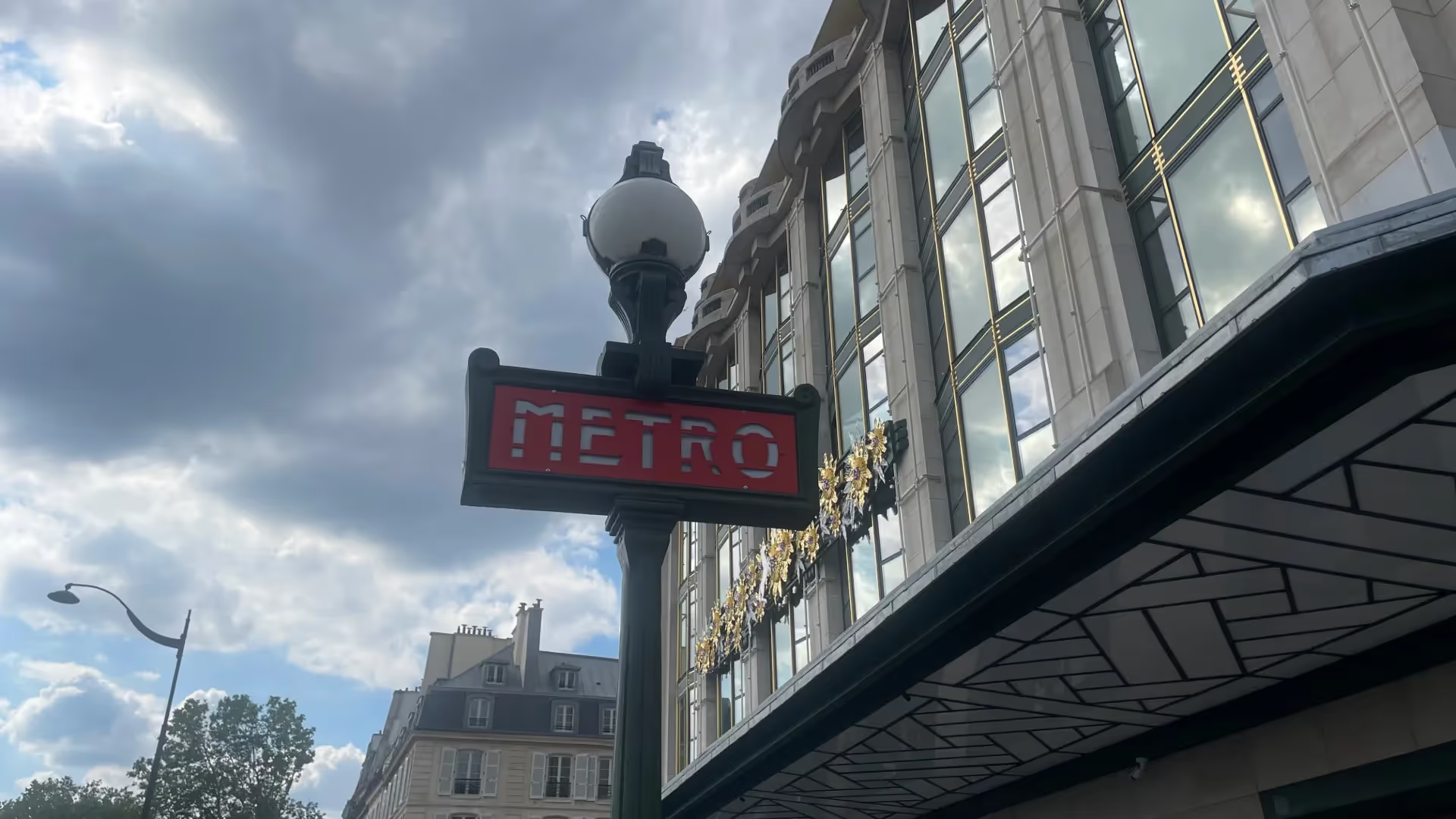
Paris is well-known for its extensive, efficient, and busy Metro system, used by residents and travelers alike. If you’re not used to taking public transit, the Metro can be a little confusing at first. Here is some helpful information that will help you understand the different types of transportation available and navigate your way through the public transit system in Paris.
Structure
The entire public transit system of Paris is made up of four primary types of transit: the Metro, the RER, the Bus, and the Tramway. I've broken down the differences below.
Metro
There are 14 metro lines serving Paris and its immediate suburbs, each color-coded and numbered 1-14. For travelers to Paris, the Metro is a great way to go between the museums, historic sights, and landmarks of the city!
RER
RER is the name for Paris’s regional train system. If you plan to go to Disneyland or Versailles, or are traveling to Paris via Charles de Gaulle airport, for example, you will use the RER system. RER lines are color-coded and denoted by letters of the alphabet.
Buses
Paris has an extensive bus system, which can be slower than Metro, but can sometimes be more direct.
Tramways
Trams primarily serve the suburbs of Paris, and two tramways, the T3a and T3b, run around the periphery of the city.
Finding your way
Directions
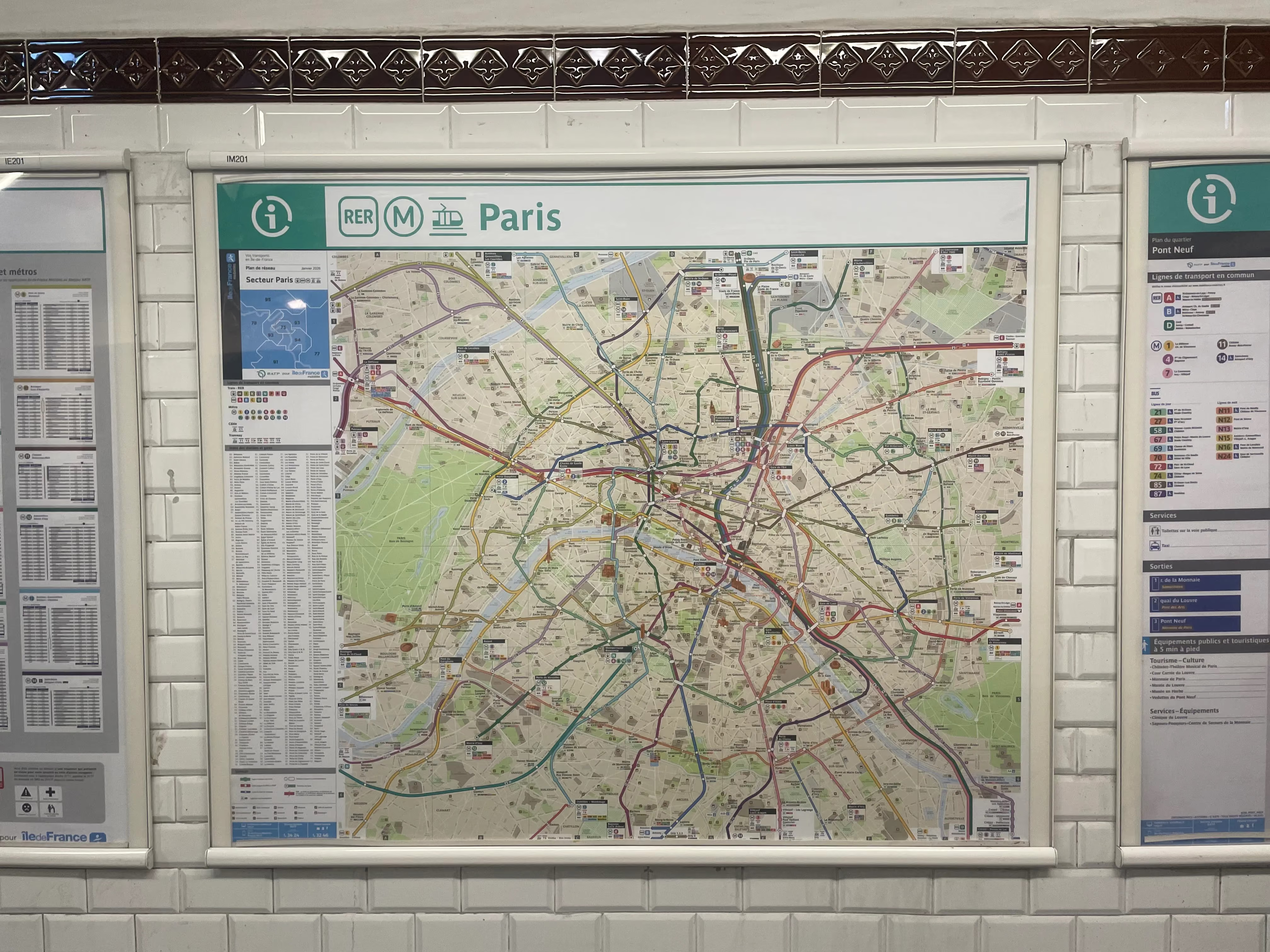
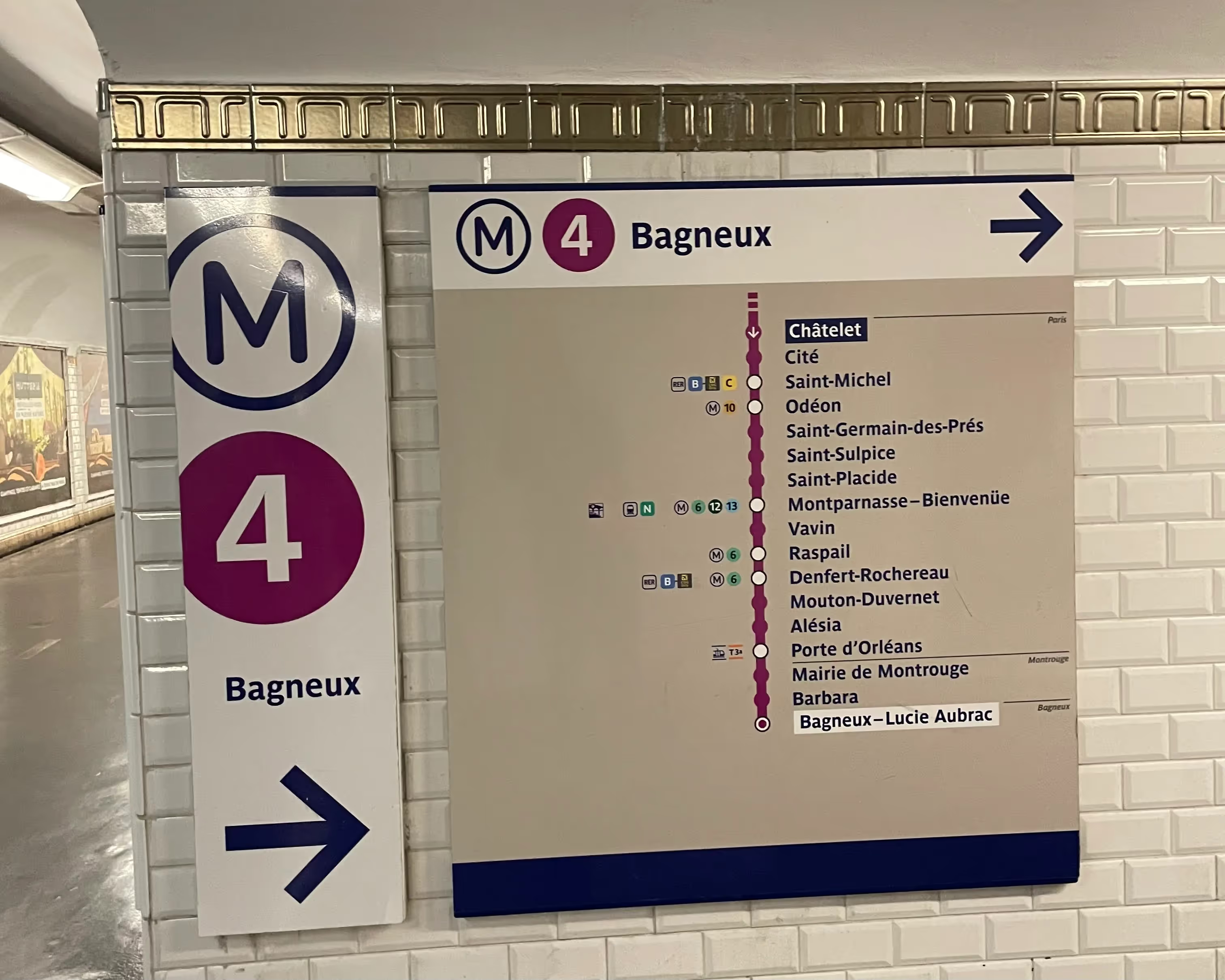
Metro and RER trains don’t always run north-south or east-west. To find your way, you will need to know the “terminus,” the final station of the direction you are going; you will follow those signs toward the correct platform. Signs are posted on the walls telling you which stops will be served in each direction, so you can easily verify that you’re heading the right way before you go to the platform.
Maps
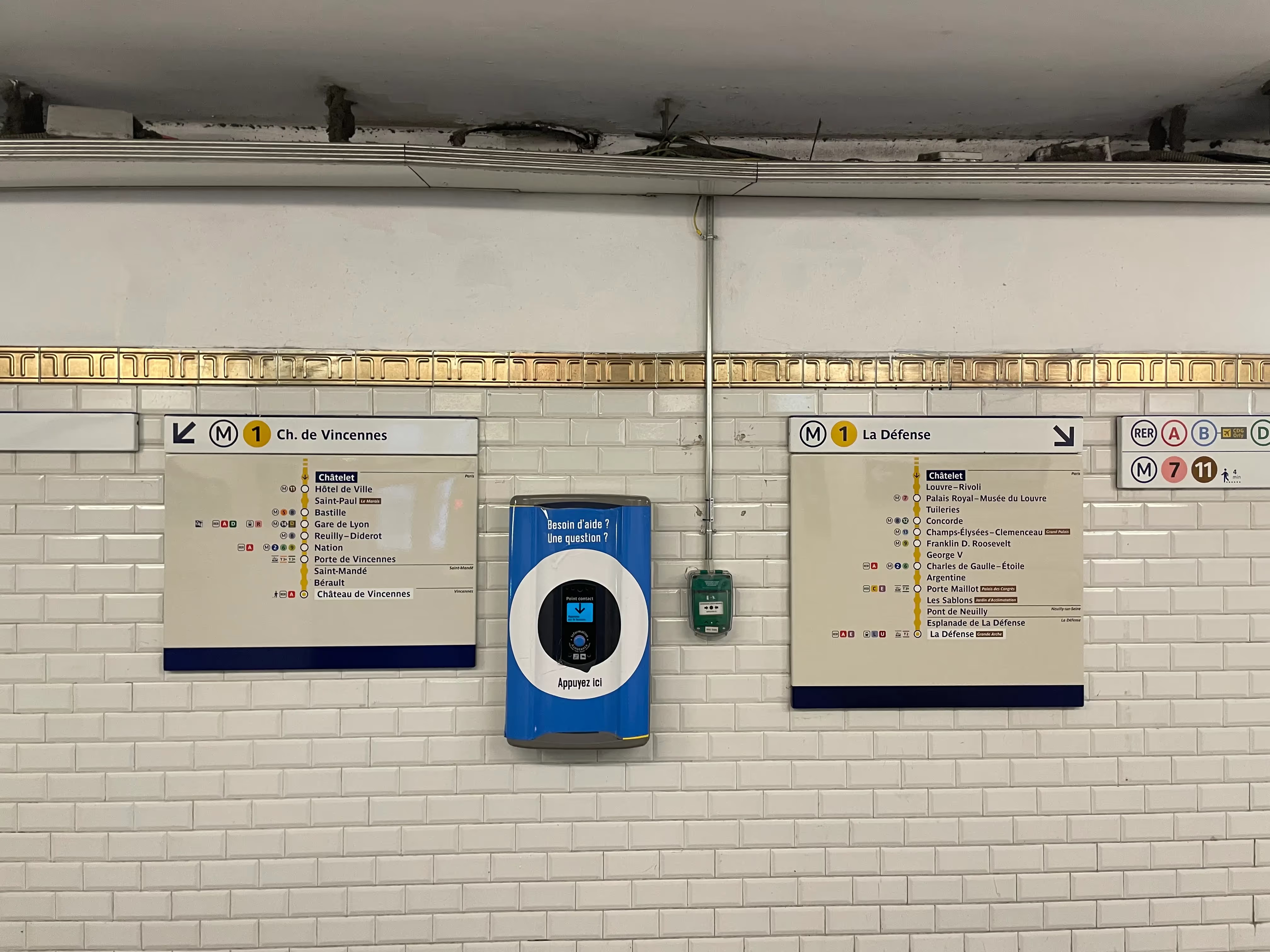
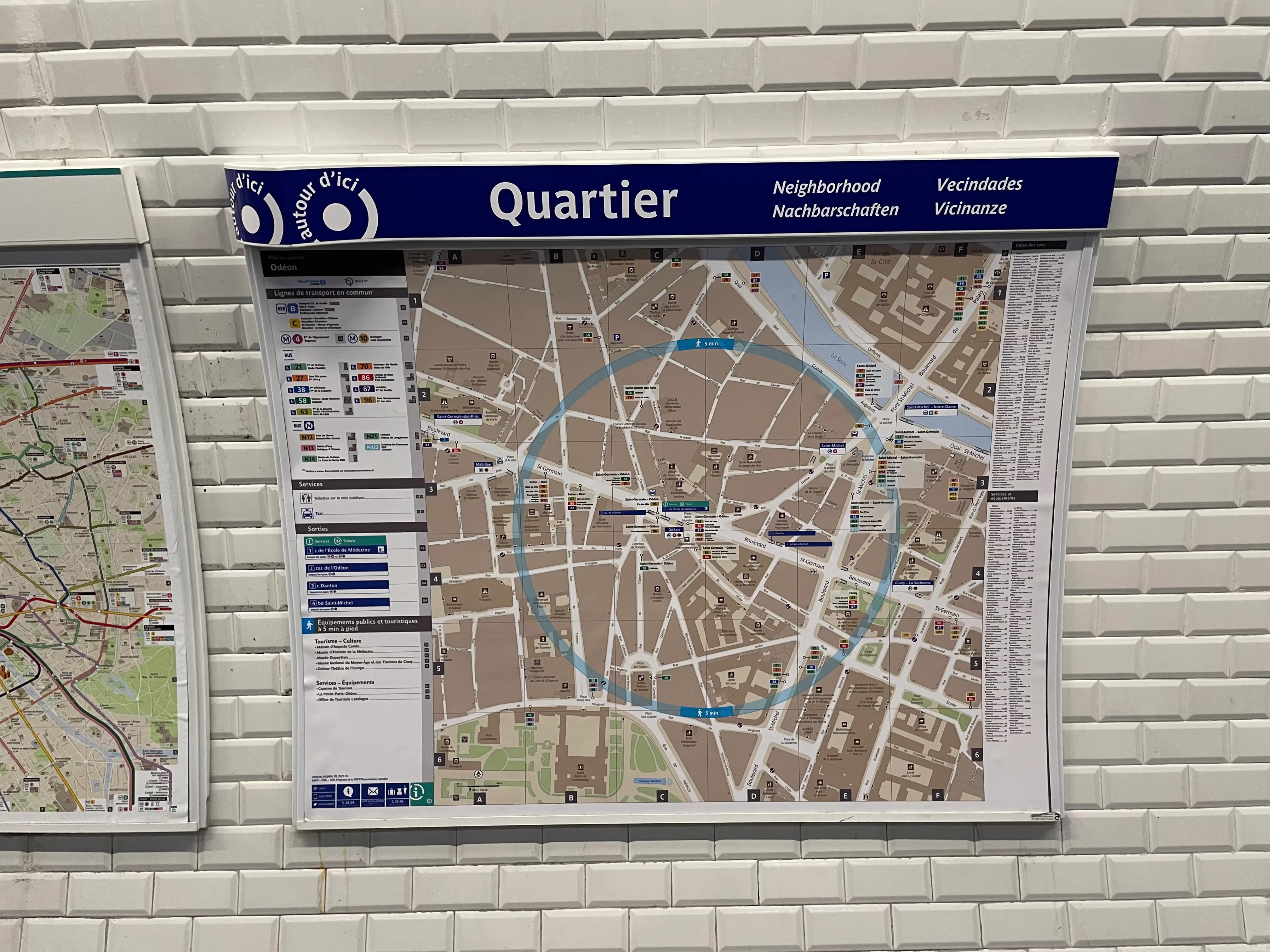
There will be a map of the whole Metro system at most metro station entrances as well as on the train platform. Many stations also have a more detailed map of the immediate neighborhood, so you can get your bearings upon arrival.
Inside the train
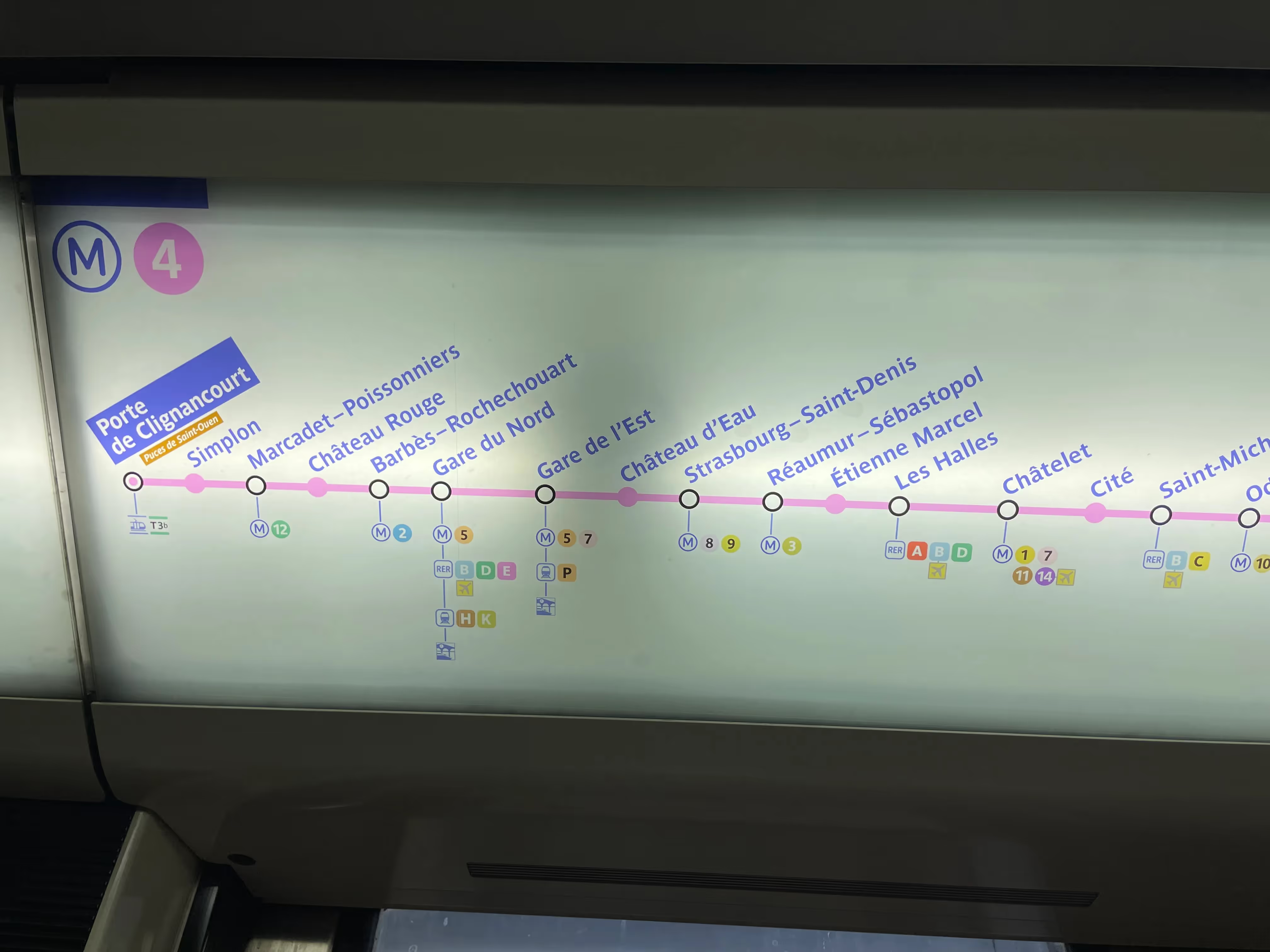
Inside each Metro, RER, Tram, and Bus, look for a schematic above the doors. This will show you all the stops along the specific line you are on. Some of the newer trains will show the stop you are approaching with a blinking light, or announce the arrival over a loudspeaker. If you take the bus, look for a red button to press to signal that you need to descend at the next stop. Stay aware of your surroundings so you don’t miss your stop!
Apps
CityMapper is my go-to app for finding my way around the city. It follows the trains’ locations in real time, provides multiple route options, and even tells you which section of the train is closest to your exit. CityMapper also includes directions to take the bus only, use a bike share service, or just walk. The Bonjour RATP app is another great resource for planning your route, especially if you need a wheelchair-accessible route. If you have Google Maps or other mapping apps, they will work just fine, too.
Tickets
Tickets for all public transportation must be loaded onto a paper pass, called Navigo Easy, which can be purchased at every metro station. For more detailed information about tickets, passes, and fares, see this article.
Practical tips
- While an app is very useful, it’s also helpful to be able to figure out where you’re going without one. I recommend checking the transport map as soon as you enter the station. You can find your current stop and your destination stop, and verify that you’re heading toward the correct terminus. Make sure everyone in your party knows which direction to go and where to get off the train.
- As you pass through the gates and descend into the station, double check that you’re heading in the right direction by finding your destination on the list of stops on the wall. Even if people are rushing around you, take an extra second or two to make sure you’re on the right track.
- Stick together onboard as best you can. It can get crowded, so in case you are separated, you’ve made sure everybody knows where to go!
- If you accidentally start going the wrong direction or get off at the wrong stop, don’t panic! Trains come every 2-5 minutes so you can wait for the next one, or follow signs toward the opposite platform—the other terminus—without leaving the station.
- You will use a variety of different types of trains within the Metro system, as Paris’s Metro system is over 125 years old and constantly being updated! Some doors will open automatically, some are opened by pushing a button, and some have a small lever that you pull upwards to open the door.
- Finally, have confidence that you can navigate the system, and don’t hesitate to ask an RATP employee at the ticket window if you have any questions. Start with a simple “Bonjour!”
Using the Metro system can be overwhelming for first-time visitors to Paris. With a little preparation, you will be able to take advantage of the region’s useful public transportation system and maximize your sightseeing time!
.png)



-100.avif)





.avif)
.svg)
.svg)
.svg)
.svg)